
Why We Wait: The Case Against Early Spay/Neuter for Maine Coons
December 5, 2025
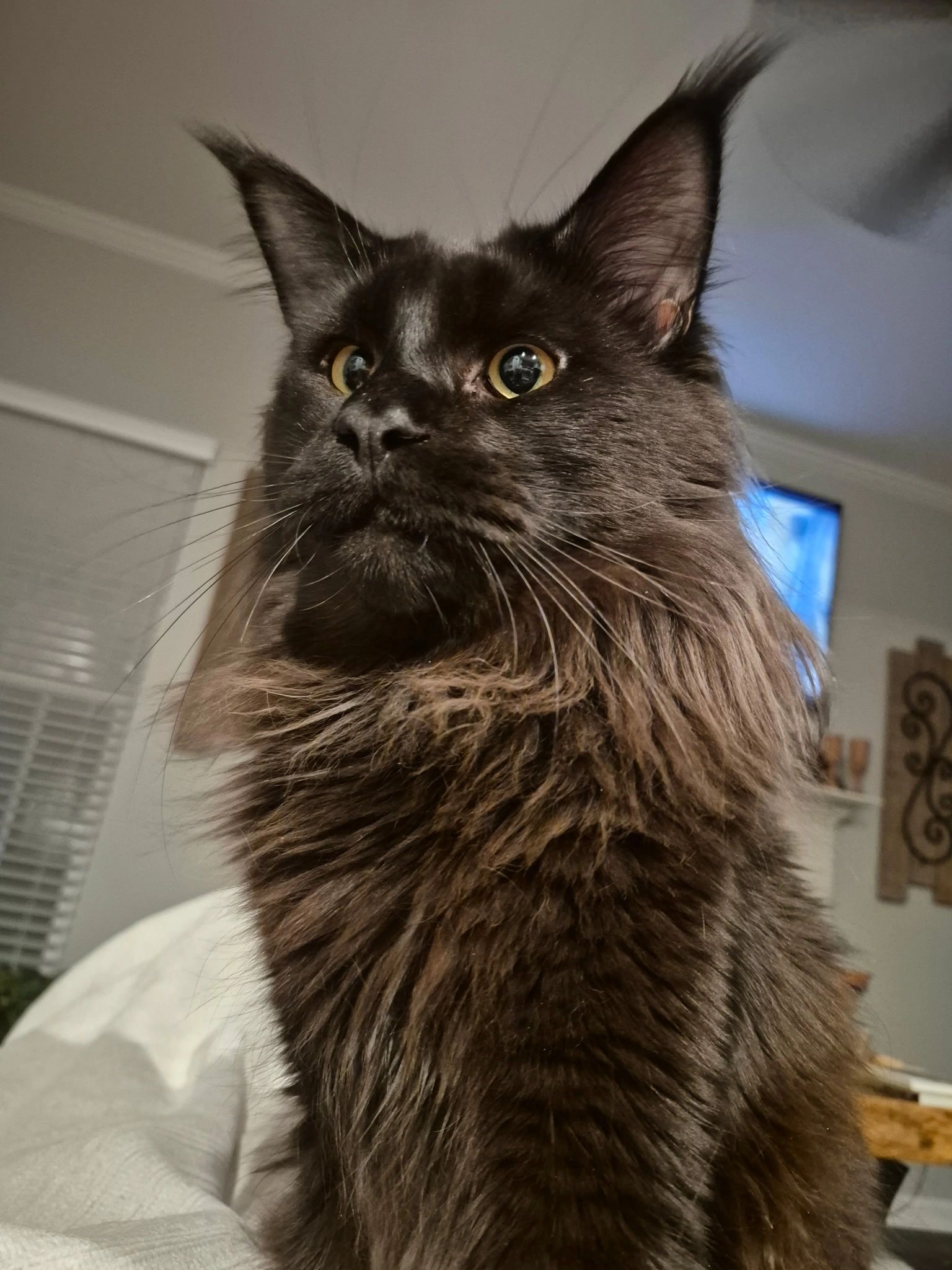
Bringing a Maine Coon kitten into your home is an exciting experience. These gentle giants are known for their striking looks, playful personalities, and affectionate nature. As a responsible owner, you want to do everything right for your new family member, and that includes making informed decisions about their health. One of the most important decisions you’ll face is when to spay or neuter your kitten.
While the standard advice for many cats has been “the sooner, the better,” a growing body of evidence suggests that this isn’t the best approach for large, slow-maturing breeds like the Maine Coon. We believe in waiting until they are more physically developed, and this post will explore the key reasons why delaying the procedure is crucial for their long-term health and well-being.
The Risks of Anesthesia in Very Young Kittens
Any surgical procedure carries some risk, and anesthesia is a significant part of that equation. For small, very young kittens, these risks are magnified. Their tiny bodies are still developing, and their ability to process anesthetic drugs is not as efficient as that of an older, more mature cat.
A kitten’s liver and kidneys, the primary organs responsible for metabolizing and clearing anesthesia from the body, are not fully functional at just a few weeks old. This immaturity increases the potential for complications. Additionally, young kittens have a harder time regulating their body temperature and blood sugar levels, making them more susceptible to hypothermia and hypoglycemia during and after surgery. While skilled veterinarians can manage these risks, they are inherently lower in a kitten that is older, larger, and more physiologically stable.
Urinary Health in Male Maine Coons
One of the most compelling arguments against early neutering in male Maine Coons involves the health of their urinary tract. The male urethra is a narrow tube, and its full development is influenced by sex hormones like testosterone. When a male kitten is neutered too early, before this development is complete, the urethra may remain narrower than it would have otherwise.
This narrow diameter can become a serious problem later in life. Male cats are already prone to urinary issues, including blockages from crystals or inflammatory material. A cat with a narrower urethra is at a significantly higher risk of developing a life-threatening urinary obstruction. By waiting for the kitten to mature, we allow these structures to develop fully, potentially reducing the risk of painful and dangerous blockages down the road.
Allowing for Proper Growth and Development
Maine Coons are one of the largest domestic cat breeds, and they take a long time to reach their full size—often not maturing until they are three to five years old. Their growth is a complex process, and sex hormones play a vital role in ensuring their bones and joints develop correctly.
Hormones and Growth Plates
The long bones in a kitten’s legs grow from areas of soft cartilage called growth plates. At the end of puberty, sex hormones signal these growth plates to close, and the bones stop lengthening. When a kitten is spayed or neutered early, this hormonal signal is removed. As a result, the growth plates may stay open longer, leading to bones that grow for an extended period.
This might sound like it would just result in a taller cat, but it can create an imbalance. The bones may become disproportionately long, which can alter the cat’s overall structure and place unnatural stress on joints and ligaments.
Hip and Joint Concerns
This altered development is a significant concern for a large, heavy-boned breed like the Maine Coon. Several studies have pointed to a link between early spay/neuter and an increased incidence of orthopedic problems. For example, research has shown a higher rate of hip dysplasia in cats and dogs neutered before six months of age. Hip dysplasia is a painful condition where the ball and socket of the hip joint do not fit together properly, leading to arthritis and mobility issues.
Another severe but less common issue is avascular necrosis of the femoral head. This condition involves the spontaneous death of bone tissue in the “ball” part of the hip joint due to a lack of blood supply. While the exact causes are complex, hormonal influences on bone development and health are believed to play a part, and interrupting these processes early could be a contributing factor.
The Benefits of Patience
By waiting until a Maine Coon is closer to physical maturity, we allow their body to develop as nature intended. The benefits are clear:
- Reduced Anesthesia Risk: The kitten is larger, stronger, and better equipped to handle surgery.
- Improved Urinary Health: The male urethra has time to widen to its full, natural diameter.
- Proper Musculoskeletal Development: Sex hormones guide the correct closure of growth plates, promoting strong, well-proportioned bones and more stable joints. This may lower the risk of conditions like hip dysplasia.
Most breeders and veterinarians who specialize in large breeds recommend waiting until a Maine Coon is at least 8-10 months old, and sometimes closer to a year. This timeline allows the kitten to reap the developmental benefits of their natural hormones before the procedure is performed.
Making the Best Choice for Your Maine Coon
Deciding on the right time to spay or neuter your Maine Coon is a decision that will impact their health for years to come. While early alteration is common practice in shelters to control pet populations, the health considerations for a purebred, slow-growing cat in a responsible home are different.
We strongly encourage you to discuss this topic with your veterinarian. By weighing the evidence and considering the unique needs of the Maine Coon breed, you can make a choice that supports a long, healthy, and happy life for your magnificent feline companion.
Disclaimer:
The information provided by Maine Street Coons and its owner, Kyra Hagan, is for general educational purposes only and reflects the breeder’s personal experience. It is not professional veterinary advice, diagnosis, or treatment. Maine Street Coons is a private cattery, and Kyra Hagan is not a licensed veterinarian.
All health decisions should be made with a licensed veterinarian who has examined your cat. Every Maine Coon is unique, and health outcomes can vary due to genetics, environment, and other factors.
Maine Street Coons makes no guarantees about the accuracy or applicability of the information provided. Always consult your veterinarian for personalized guidance. In case of a medical emergency, contact your vet or an emergency animal hospital immediately.