
Managing Feline Herpes Virus in Maine Coons
April 2, 2026
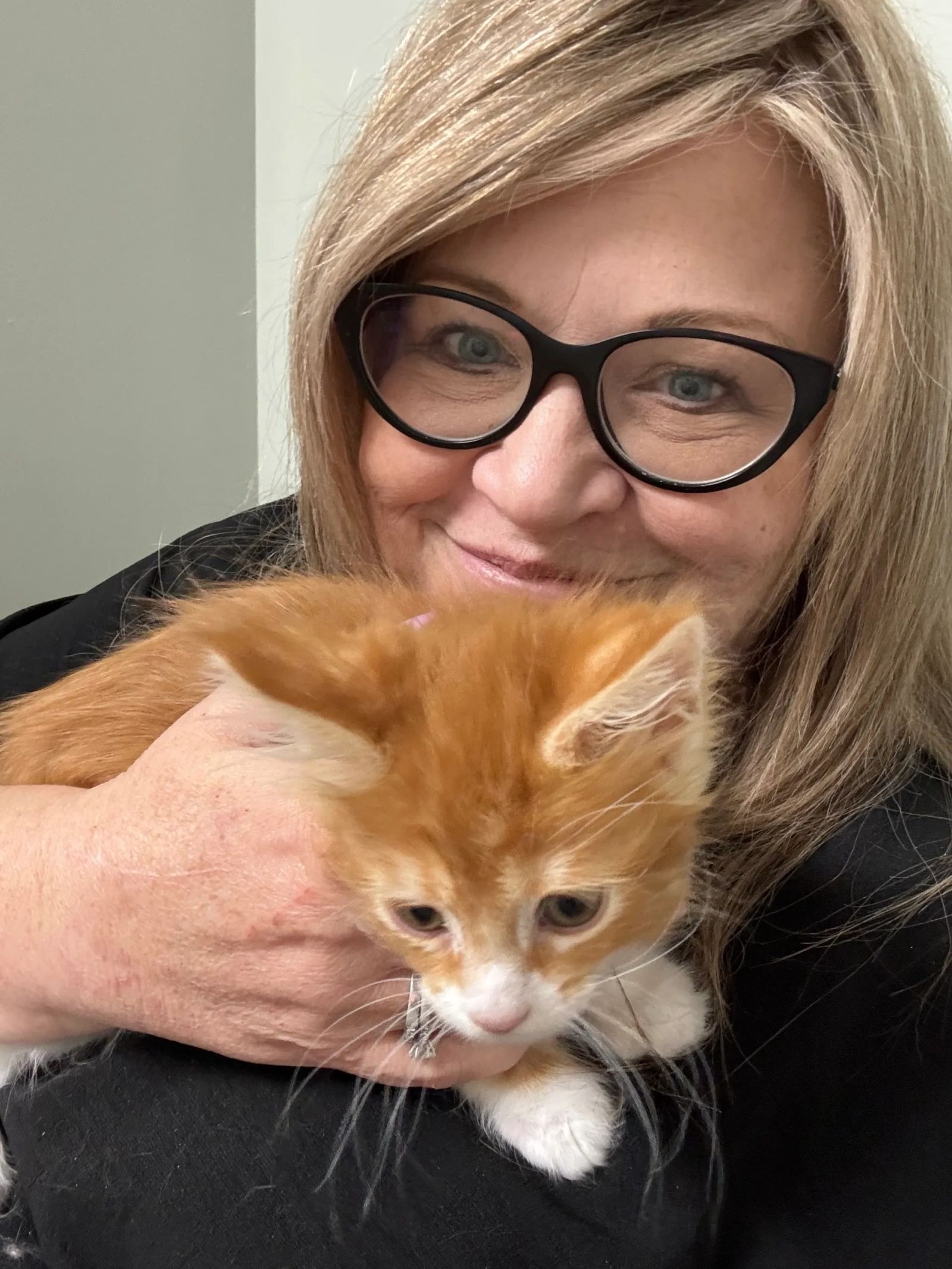
Bringing a Maine Coon kitten into your home is a significant and exciting milestone. You have prepared their environment, selected optimal nutrition, and anticipated the joy this magnificent breed will bring to your household. However, hearing your new kitten sneeze or noticing watery eyes can quickly replace that excitement with concern.
Veterinarians frequently diagnose these symptoms as Feline Herpes Virus (FHV-1). While the word “herpes” sounds alarming to many new owners, the reality of this diagnosis is far less daunting.
Our goal is to provide you with clear, evidence-based guidance regarding FHV in Maine Coon kittens. This guide will explain what the virus is, how you can manage it, and why a diagnosis should not deter you from purchasing or keeping your kitten. By understanding the facts, you can confidently support your kitten through their recovery and ensure a healthy, thriving future.
What is Feline Herpes Virus?
Feline Herpes Virus, specifically FHV-1, is a highly contagious respiratory virus that affects cats globally. It is one of the most common causes of upper respiratory infections in felines. To understand this virus in a practical context, it is helpful to compare it to the common cold in human children.
Just as a child enters daycare and inevitably contracts a cold virus, kittens frequently encounter FHV when they are young. The virus targets the respiratory tract and the eyes. Once a cat contracts FHV, the virus remains in their body for life, retreating into nerve cells where it lies dormant.
This latency is entirely normal and expected. Human adults carry similar dormant viruses without daily issue. For felines, the immune system typically keeps the dormant virus in check. Flare-ups only occur when the immune system becomes temporarily compromised, usually due to stress or secondary illness.
Why Kittens Experience Flare-Ups
Maine Coon kittens possess developing immune systems. Because their immune responses are not yet fully matured, they are highly susceptible to upper respiratory infections.
Environmental changes represent the most significant trigger for an FHV flare-up. Transitioning from a breeder’s home to your house is a massive shift for a young animal. They lose the familiarity of their mother, their littermates, and their known territory. This transition naturally elevates cortisol levels, which temporarily suppresses their immune function.
During this window of stress, the dormant FHV virus can reactivate. You might purchase a perfectly healthy kitten that has passed all veterinary health checks, only to see symptoms emerge three to five days after they arrive at your home. This does not indicate a failure on the breeder’s part, nor does it mean you have adopted a chronically ill cat. It simply represents a predictable biological response to a stressful life event.
Recognizing the Symptoms of FHV
Identifying the clinical signs of an FHV flare-up allows you to intervene early and keep your kitten comfortable. The symptoms mirror those of a severe human cold.
Watch for the following primary indicators:
- Frequent, repetitive sneezing
- Clear or colored discharge from the nose
- Conjunctivitis (red, swollen, or weeping eyes)
- A mild fever
- Lethargy and decreased energy levels
- A temporary reduction in appetite due to a loss of smell
If you observe these symptoms, remain calm. Just as you would manage a child’s winter cold with supportive care and rest, you will provide similar structured support for your Maine Coon kitten.
The Science of Recovery
The prognosis for Maine Coon kittens with Feline Herpes Virus is excellent. The feline immune system is highly capable of driving the virus back into a dormant state. Active flare-ups typically last between ten and twenty days.
During this time, the virus runs its course. Antibiotics do not kill viruses, so veterinarians do not prescribe them to cure FHV itself. However, your veterinarian might prescribe an antibiotic to treat secondary bacterial infections if your kitten’s nasal discharge turns yellow or green.
Once the kitten recovers from the initial flare-up, they often go years—or their entire lives—without exhibiting symptoms again. As your Maine Coon matures, their immune system grows robust. Adult cats handle environmental stress much better than young kittens, making future clinical outbreaks rare and generally very mild.
Practical Steps to Manage FHV at Home
Providing targeted, supportive care will accelerate your kitten’s recovery and minimize their discomfort. You can implement several effective strategies immediately.
Prioritize Environmental Comfort
Set up a quiet, warm, and secure space for your kitten. Limit their access to the entire house and restrict interactions with other pets or loud children. A low-stress environment reduces cortisol production, allowing the immune system to focus entirely on fighting the virus.
Utilize Steam Therapy
Respiratory congestion makes eating and breathing difficult for a small kitten. Place a cool-mist humidifier near their resting area to keep their nasal passages moist. Alternatively, run a hot shower to fill your bathroom with steam, and sit in the room with your kitten for fifteen minutes. The steam helps loosen nasal congestion effectively.
Maintain Nutritional Intake
Cats rely heavily on their sense of smell to eat. When a kitten has a congested nose, they often refuse food. You must ensure they continue taking in calories and moisture. Warm up strong-smelling, high-quality wet food to stimulate their appetite. If necessary, offer low-sodium chicken broth to maintain their hydration levels.
Keep Eyes and Noses Clean
Use a soft, warm, damp cloth to gently wipe away any discharge from your kitten’s eyes and nose. Dried discharge causes discomfort and can harbor bacteria. Keeping these areas clean prevents skin irritation and secondary bacterial issues.
Consult Your Veterinarian
Always schedule a veterinary exam when symptoms appear. While FHV is common, your veterinarian must rule out other underlying conditions. They can also prescribe antiviral eye drops if the virus is affecting the cornea, or an L-lysine supplement, which some studies suggest may suppress viral replication.
Why FHV Should Not Deter You from Adopting
Prospective buyers occasionally panic when a breeder discloses an FHV exposure, or when a newly purchased kitten begins sneezing. Some owners consider returning the kitten, fearing overwhelming future medical costs or lifelong sickness.
Science and veterinary experience tell us this fear is unwarranted. Feline Herpes Virus is an endemic condition in the feline population. The vast majority of cats worldwide have been exposed to it. Rejecting a kitten solely based on an FHV exposure or a mild upper respiratory infection means passing up a wonderful, genetically sound companion.
Maine Coons are remarkably resilient animals. A brief cold during their kittenhood does not compromise their structural integrity, their affectionate temperament, or their potential for a long, vibrant life. Once they settle into your routine and overcome the initial stress of relocation, they will thrive.
Setting Your Maine Coon Up for Success
Feline Herpes Virus is a manageable, predictable, and highly common condition in cats. By viewing it through the lens of science rather than fear, you can approach your kitten’s health with confidence and clarity.
Focus on building a strong foundation of health for your new Maine Coon. Provide high-quality nutrition, establish a calm environment, and maintain an open, proactive relationship with your veterinarian. If your kitten does experience a flare-up, you now have the knowledge to support them through it safely.
Take the next step in your kitten’s care by scheduling their initial wellness exam with a trusted local veterinarian. Partnering with a professional ensures your kitten has the medical oversight needed to grow into the healthy, majestic Maine Coon you expect.
Disclaimer:
The information provided by Maine Street Coons and its owner, Kyra Hagan, is for general educational purposes only and reflects the breeder’s personal experience. It is not professional veterinary advice, diagnosis, or treatment. Maine Street Coons is a private cattery, and Kyra Hagan is not a licensed veterinarian.
All health decisions should be made with a licensed veterinarian who has examined your cat. Every Maine Coon is unique, and health outcomes can vary due to genetics, environment, and other factors.
Maine Street Coons makes no guarantees about the accuracy or applicability of the information provided. Always consult your veterinarian for personalized guidance. In case of a medical emergency, contact your vet or an emergency animal hospital immediately.