
The Miracle and Heartbreak of Maine Coon Birth
September 19, 2025
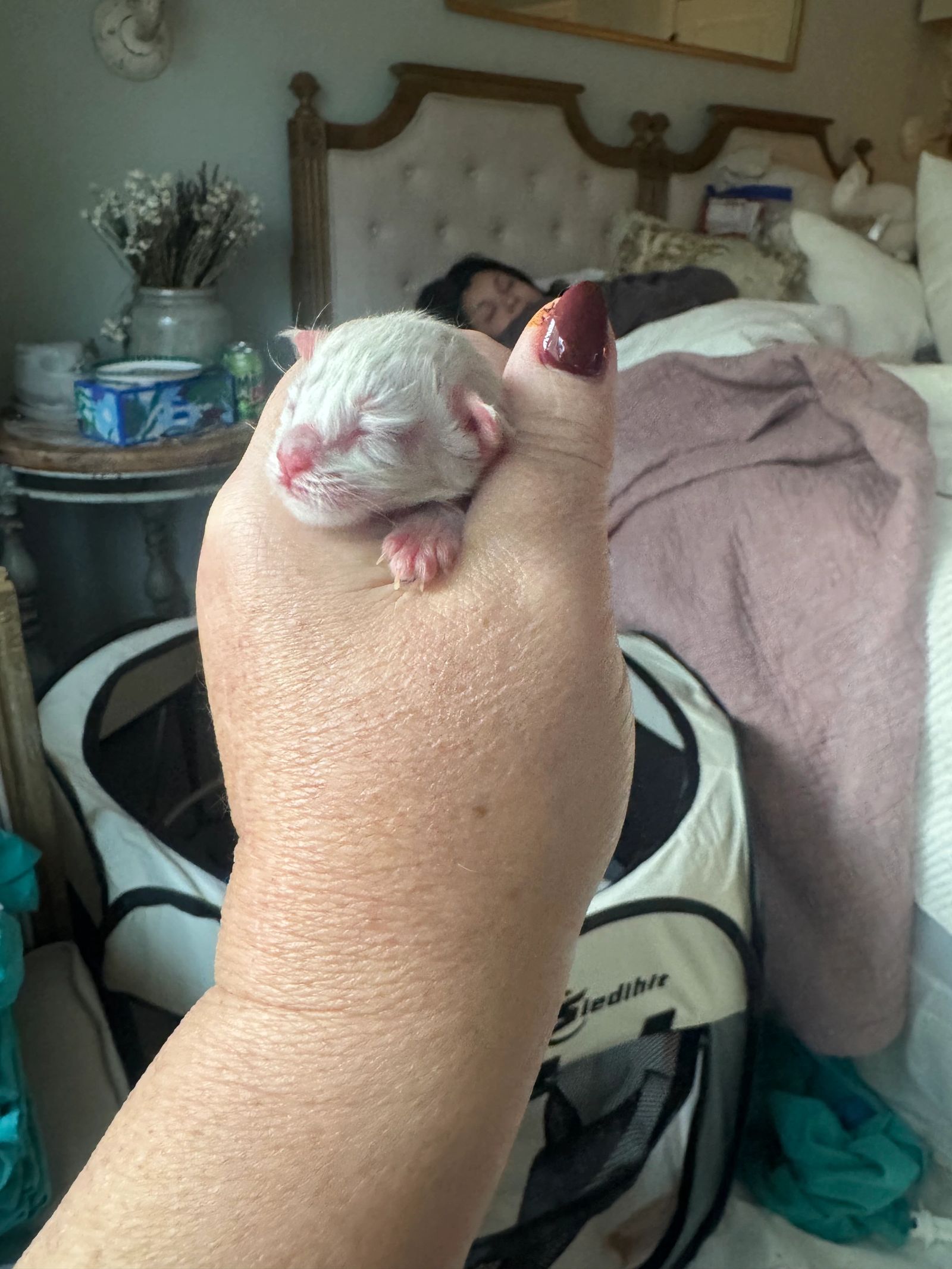
Bringing new life into the world is a profound experience, and for Maine Coon cats, it’s an event that responsible breeders approach with a mix of excitement, preparation, and deep respect. As a future kitten owner, understanding the complexities of the birthing process, known as queening, gives you a unique window into the dedication behind your new family member. It also helps explain why breeders follow certain protocols to protect both the mother cat and her fragile newborns.
This post will guide you through the journey of a Maine Coon’s labor and delivery. We will explore how long it takes, the vital role a breeder plays, the potential challenges that can arise, and the sensitive reality of early kitten loss. This knowledge fosters a deeper appreciation for the care your kitten receives from its very first breath.
The Queening Process: A Labor of Love and Patience
Unlike a quick visit from the stork, a cat’s labor is a multi-stage process that can be unpredictable and lengthy. For a Maine Coon, a larger breed, this journey requires close observation and patience.
Stage One: Early Labor
The first stage of labor can be subtle and last anywhere from 12 to 36 hours. During this time, the queen (the mother cat) will begin to show signs that her kittens are on the way. She might become restless, start nesting in the birthing box or nest the breeder has prepared, or become more vocal and affectionate.
Internally, her cervix is beginning to dilate and uterine contractions are starting, though they are often not visible. A good breeder provides a calm, quiet environment, ensuring the queen feels safe and secure. Stress can stall labor, so creating a peaceful space is the first and most critical form of support.
Stage Two: Active Labor and Delivery
This is the stage when the kittens are born. It can last from 2 to 24 hours, depending on the size of the litter and the individual queen. Each kitten is delivered one by one, typically with 30 to 60 minutes between births, although pauses of several hours are not uncommon.
During this stage, the breeder’s role becomes hands-on. They are present for every moment, monitoring the queen for any signs of distress. As each kitten is born, they ensure the amniotic sac is removed so the kitten can breathe. They help the queen clean the kitten if she is too tired, clamp and cut the umbilical cord if necessary, and ensure the newborn starts nursing to receive vital colostrum.
Stage Three: Delivering the Placentas
After each kitten is born, the queen will deliver a placenta. It’s crucial for the breeder to count each placenta to ensure none are retained, as this can lead to serious infection. The queen may eat the placentas, which is a natural instinct that provides her with nutrients.
The Breeder’s Role: Midwife, Guardian, and Advocate
A responsible breeder is much more than a passive observer during birth. They are an experienced midwife, equipped with knowledge, supplies, and a calm demeanor to handle whatever the delivery may bring.
At Maine Street Coons, we take several extra steps to ensure each kitten has the best possible start. Immediately after birth, we visually inspect every newborn for cleft palates and any issues that might affect their ability to latch and nurse properly. We also carefully clean each kitten’s umbilical cord site to help prevent bloodborne infections, known as sepsis. Additionally, each kitten is weighed right after birth and daily thereafter, so we can closely monitor their weight gain and act quickly if any concerns arise.
Constant Monitoring: The breeder watches for signs of dystocia, or difficult birth. This could be a kitten stuck in the birth canal, contractions that stop, or signs of extreme pain or exhaustion in the queen. They know when to let nature take its course and when to intervene or seek emergency veterinary care.
Hands-On Assistance: From clearing airways to reviving a weak kitten, the breeder is the first line of defense for these fragile lives. They have supplies ready, including clean towels, a suction bulb for clearing fluid, hemostats for cords, and a warm, safe box for the kittens while the mother continues to labor.
Post-Natal Care: The job doesn’t end with the last kitten. The breeder ensures the queen is comfortable, has food and water, and is successfully nursing her litter. They monitor the kittens’ weight daily to confirm they are gaining and thriving.
When Things Go Wrong: The Reality of Complications
Even with the best genetics, prenatal care, and expert assistance, complications can happen. Nature is unpredictable, and acknowledging this is part of being a responsible breeder and an educated owner.
Potential issues include:
- Dystocia (Difficult Birth): A kitten may be too large or positioned incorrectly, requiring veterinary intervention, sometimes a C-section.
- Uterine Inertia: The queen’s uterus may stop contracting, halting labor and endangering the unborn kittens.
- Retained Placentas or Kittens: This can lead to life-threatening infections if not addressed immediately.
- Hemorrhage: Excessive bleeding post-birth is an emergency that requires immediate veterinary care.
Breeders prepare for these possibilities, but sometimes, despite every effort, a kitten or even the queen may not survive. This is the heartbreaking reality that breeders face.
Understanding Early Kitten Loss
The first few weeks of a kitten’s life are its most vulnerable. This period is often referred to as “fading kitten syndrome,” where a seemingly healthy kitten can decline and pass away suddenly.
Statistics show that the neonatal mortality rate (death within the first two weeks) for kittens in pedigreed catteries can be around 15-20%, even with excellent husbandry. Some studies place it higher, with a significant portion of losses occurring in the first week. These losses are not typically due to neglect, but to underlying issues that are often undetectable.
Common causes include:
- Congenital Defects: Undiscovered genetic or birth defects can make survival impossible.
- Low Birth Weight: Smaller kittens struggle to compete for milk and maintain body temperature.
- Maternal Issues: A new mother may accidentally injure a kitten, or she may not produce enough milk.
- Infections: Newborns have immature immune systems and are susceptible to viral or bacterial infections.
Guarding Hearts: Why Breeders Ask You to Wait
This brings us to a sensitive but important topic: why breeders often ask potential buyers to wait before bonding with a specific kitten. It isn’t because they are secretive or unwelcoming. It is an act of emotional protection—for you, and for them.
Imagine choosing a kitten at one week old, giving it a name, and picturing its life with you, only to receive a call that it has passed away. The grief is real and painful. To prevent this heartache, breeders prefer to wait until the litter is past the most critical early weeks. By 5-6 weeks old, the kittens have proven their strength, developed their personalities, and the risk of sudden loss has dramatically decreased.
This waiting period allows a breeder to grieve any losses privately and ensures that when you finally meet your kitten, you are bonding with a healthy, thriving little personality who is ready for a future with you.
A Partnership Built on Trust
Understanding the labor and delivery process reveals the immense emotional, financial, and time investment a reputable breeder makes. They are the guardians of their cats and the first chapter of your kitten’s story. By respecting their protocols, you are honoring the care and dedication that goes into raising a happy, healthy Maine Coon. Your patience is the first step in a trusting partnership that will bring a wonderful new companion into your life.