
Why Waiting for Your Maine Coon Kitten Is Worth It
September 10, 2025
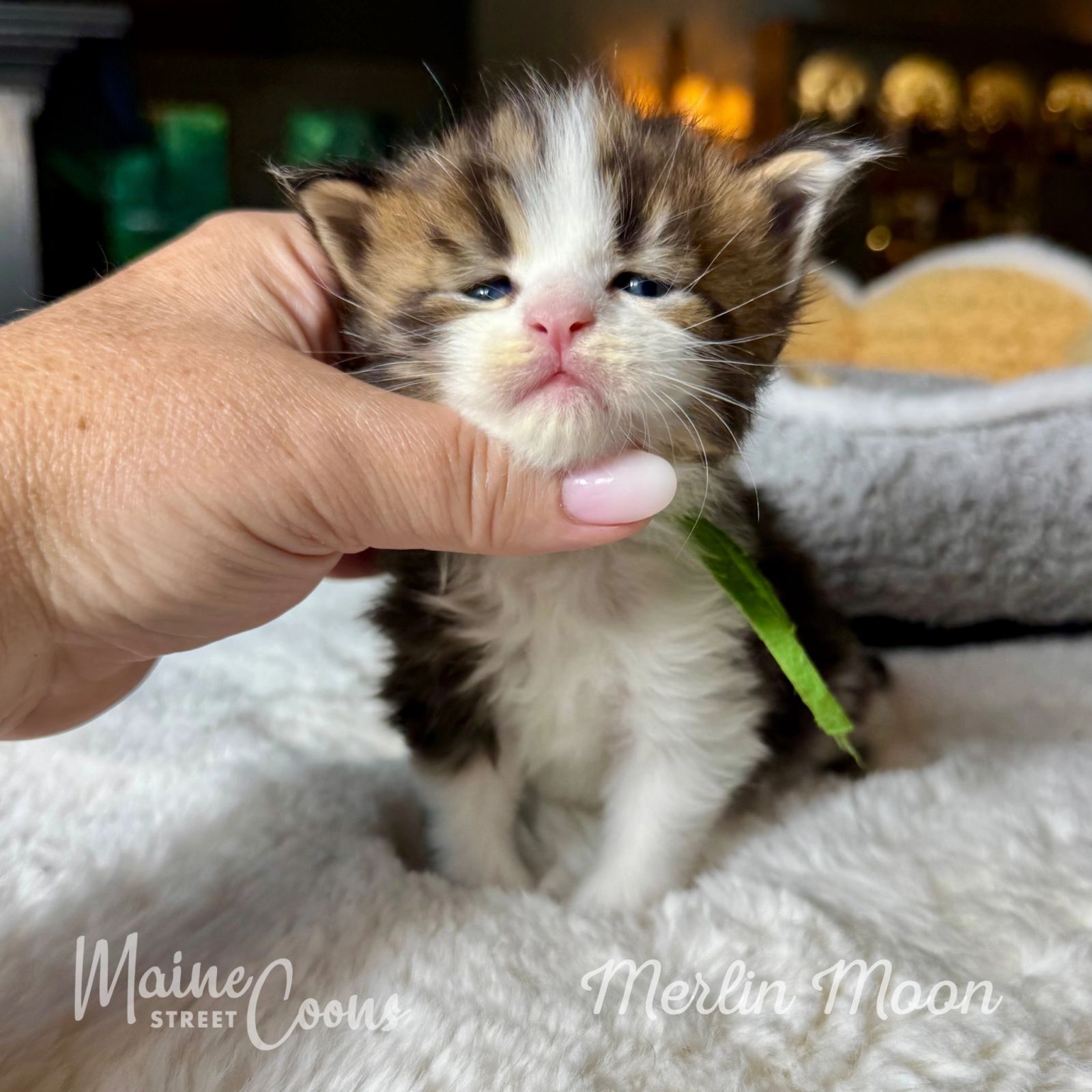
Bringing a new kitten home is an exciting milestone. You’ve likely spent months researching, finding a reputable breeder, and preparing your home. When you see photos of your tiny Maine Coon, the urge to bring them home immediately is powerful. However, responsible Maine Coon breeders will ask you to wait until your kitten is 14 to 16 weeks old. While this wait can feel long, it’s one of the most important gifts you can give your new family member.
This patience pays off with a healthier, better-adjusted, and more confident companion. We’ll explore the crucial developmental stages that happen between 8 and 16 weeks and show why waiting is the best decision for both you and your kitten.
The Health Advantage of Waiting
A few extra weeks with the mother and littermates provide significant health benefits that set a kitten up for a long and healthy life. This period is essential for building a robust immune system and completing critical veterinary care.
A Stronger Immune System
Kittens receive initial immunity from their mother’s milk, which contains vital antibodies. This protection, called passive immunity, starts to fade around 8 weeks of age. This is precisely when veterinarians typically begin the kitten vaccination series.
For these vaccines to be fully effective, the kitten’s own immune system must be mature enough to respond and create its own long-lasting antibodies. The period between 8 and 14 weeks is when this transition happens. Keeping a kitten with its mother and siblings in a familiar environment reduces stress, which in turn supports a stronger immune response to vaccinations. A kitten that leaves its mother too early may have a weaker immune system, making it more susceptible to common illnesses.
Complete and Effective Vaccinations
The standard kitten vaccination schedule involves a series of shots given every 3 to 4 weeks. A kitten leaving at 14 to 16 weeks will have completed its full primary series, including boosters for Feline Viral Rhinotracheitis, Calicivirus, and Panleukopenia (FVRCP). This ensures they arrive at your home with maximum protection against these serious diseases.
Furthermore, waiting allows for the rabies vaccination, which is typically given around 12 to 16 weeks of age. Sending a kitten home fully vaccinated reduces health risks and gives you peace of mind from day one.
Better Physical Development
The final weeks with the litter are also a time of rapid physical growth and coordination. Maine Coons are a large, slow-maturing breed. This extra time allows their bodies to develop properly, building strong bones and muscles through play with their littermates. They also fully master the weaning process and are confidently eating solid food, which prevents digestive upset during the transition to a new home.
The Power of Feline Socialization
The period from 8 to 16 weeks is the most critical window for feline social development. During this time, kittens learn essential life skills from their mother and siblings that are nearly impossible for humans to replicate.
Learning to “Speak Cat”
Through constant interaction, kittens learn the nuances of feline body language and vocalization. They learn how to signal play, show submission, and recognize warnings from other cats. This education is vital for their future interactions with any other cats they may encounter, reducing the likelihood of fear or aggression. A well-socialized kitten grows into an adult cat that is confident and communicative.
Mastering Bite Inhibition
One of the most important lessons a kitten learns from its littermates is bite inhibition, or how to control the pressure of its bite. When a kitten bites a sibling too hard during play, the other kitten will yelp and stop the game. This immediate feedback teaches the biter to be gentler.
Kittens who leave their litter too early often miss out on this lesson. They may play too rough, biting and scratching their human companions with more force than intended. By staying with the litter until 14-16 weeks, your Maine Coon learns to use its mouth gently, making it a more pleasant and safer companion.
Building Confidence and Resilience
Constant play, exploration, and competition with siblings in a safe environment help kittens build confidence. They learn to navigate social hierarchies, solve problems, and bounce back from minor tumbles or disputes. This resilience makes the transition to a new home much smoother. A confident kitten is less likely to be fearful or anxious in a new environment and will adapt more quickly to your family and routine.
A Smoother Transition for Everyone
Waiting a few extra weeks makes the move to a new home far less stressful for the kitten and much easier for you. You are receiving a more mature, independent, and well-behaved pet.
Litter Box Professionals
By 14 weeks, kittens have had weeks to perfect their litter box habits. They have learned from their mother and have established a strong, reliable routine. This means you are highly unlikely to face the frustrating problem of litter box accidents when your new kitten arrives. They come to you already house-trained.
Increased Maturity and Independence
A younger kitten is still very dependent on its mother. A 14-week-old kitten, however, has been naturally weaned and has started to develop its own independence. This maturity means they are better equipped to handle the separation from their original family. They are less prone to separation anxiety and can settle into a new routine with greater ease, making the initial days and nights in your home much calmer.
Will Waiting Weaken Our Bond?
This is a common concern for new owners. You worry that if you don’t get your kitten at the youngest possible age, you will miss a critical bonding window. The truth is quite the opposite.
A kitten’s ability to bond with humans is not limited to its first few weeks of life. Maine Coons are known for their affectionate and “dog-like” personalities, and this temperament is part of their nature. A well-adjusted, confident, and healthy kitten is far better prepared to form a deep, lasting bond with you.
Because the kitten arrives feeling secure and well-behaved, your initial interactions will be overwhelmingly positive. Instead of spending your first weeks managing health issues or behavioral problems, you can focus on play, cuddles, and getting to know each other. The strong foundation built by the breeder in those extra weeks allows you to start your relationship from a place of joy and trust. This positive start is what truly cements a lifelong bond.
The Breeder’s Promise: A Partner in Your Maine Coon Companion’s Future
When a breeder insists on waiting until 14-16 weeks, it’s a sign of their commitment to the health and well-being of their kittens. They are not trying to make you wait unnecessarily; they are ensuring you receive a companion that is physically, mentally, and emotionally prepared for a wonderful life with you. This practice demonstrates their expertise and their dedication to the Maine Coon breed.
Patience is a small price to pay for a happier, healthier, and better-adjusted family member. That little bit of extra time with their first family ensures your Maine Coon kitten arrives ready to become a perfect part of yours.