
Maine Coon Kittens at 12-16 Weeks: Still Babies in Every Way
August 8, 2025
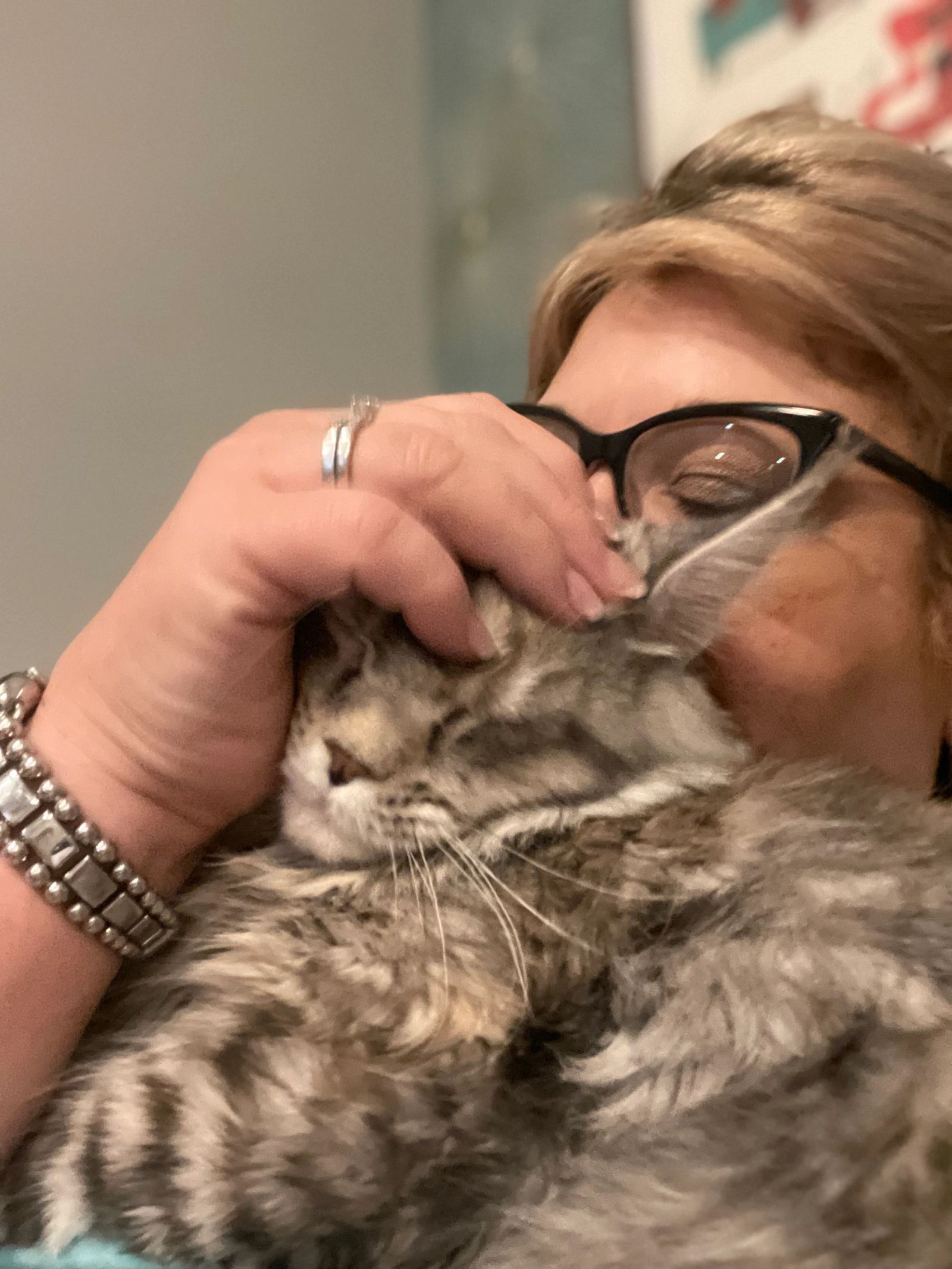
At 12-16 weeks old, Maine Coon kittens may look bigger than their feline peers, but don’t be fooled by their size—inside, they are every bit the baby. These tiny giants are just starting to explore the world, and much like human toddlers, they require an immense amount of love, care, and supervision during their early months. Below, we’ll explore what it truly means to care for a 14-week-old Maine Coon kitten, from their bond with you to their unique needs.
Big Cat, Baby Heart
Maine Coons are famous for their majestic size, but at just 14 weeks, they are far from fully grown. While their long limbs and dense coats might make them seem more mature, they are still fragile babies with a lot to learn and experience. They rely heavily on their new “parents” to guide them through this critical stage of development—yes, that includes you!
These kittens often form strong, almost parental bonds with their owners, viewing you not just as a caretaker but as a source of safety and affection. Everything you do—feeding them, playing with them, snuggling them—reinforces that connection. Over time, they come to trust you completely, which is why patience and gentle care are so important at this age.
Kitten-Proofing Is a Must
Their curious nature is a defining trait, but it can also get them into trouble. Like other kittens, Maine Coon babies are explorers, eager to investigate every nook, cranny, and dangling object in your home. With their larger size and agility, they can reach areas you might not expect.
To keep them safe, kitten-proofing is absolutely vital. Remove or secure hazards like electrical cords, small objects they could swallow, toxic plants, and sharp-edged furniture. Also, keep windows and balconies off-limits unless they are securely screened. Many accidents can be avoided with a little preparation, giving your kitten the freedom to explore safely.
Heights pose another significant risk that’s often overlooked. At 14 weeks, a Maine Coon kitten’s bones and joints are still developing, and their coordination is far from perfect. Even though they may look sturdy, a fall from a second-story window, down a flight of stairs, from a tall ladder, or even from the top of a tall cat tree can result in sprains, fractures, or worse. To protect your kitten, install barriers or screens on windows and balconies, avoid leaving ladders accessible, and make sure any cat trees or furniture designed for climbing have stable, carpeted levels with no extreme drops. Place soft mats or rugs beneath elevated perches just in case.
It’s equally important to pay close attention to the dangers posed by household appliances. Kittens are notorious for slipping inside open dishwashers, washing machines, dryers, or even refrigerators—drawn by curiosity or the warmth of freshly run cycles. Always check inside these appliances before use, and never leave doors open unattended, even for a moment.
Additionally, water hazards in the home can be life-threatening to kittens. Mop buckets, bathtubs, and toilets are potential sources of accidental drowning, especially for a little one that hasn’t yet learned boundaries. Always keep toilet lids closed, empty mop buckets when not in use, and supervise your kitten around any standing water.
By being vigilant about these hidden dangers—whether high or low—and taking a proactive approach to kitten-proofing, you can create a safe haven where your Maine Coon can thrive and explore without worry.
Small Bodies, Big Naps
Don’t be surprised if your Maine Coon kitten spends most of the day sleeping. Like all babies—feline or otherwise—rest is essential for their growing bodies and minds. At this stage, they still require a lot of shut-eye, so create a cozy, quiet space where they can nap without disruptions.
While they will have energetic bursts of playtime, it’s important to balance activity with ample rest. Overexertion can stress their developing joints and muscles, especially in a breed known for eventual size and stature.
Gentle Care, Nurturing, and Protection
Despite their size, Maine Coon kittens are just as delicate as any other breed at this age. Their bones are still growing, their immune systems are still developing, and their understanding of the world is a work in progress. Because of this, they thrive on gentle interactions and careful handling.
For example, always use soft voices and slow movements to avoid startling them. Encourage positive experiences by playing with toys instead of hands and giving plenty of praise and treats during training. When introducing them to new people, pets, or environments, go slow and prioritize their comfort and safety.
Additionally, nurturing them with balanced nutrition is integral to their well-being. Maine Coons are slow-growing cats, often maturing well into their third or fourth year, so a premium kitten food tailored to their unique needs, like Royal Canin Maine Coon Kitten, is esential.
Protect Your Baby
Though bold and curious, a 12-16-week-old Maine Coon isn’t ready to handle the big, wide world solo. Keep them indoors to prevent exposure to outdoor dangers like cars, predators, or infectious diseases. If they do go outside, ensure they are supervised or contained in a secure, escape-proof area.
Their playful energy may make them seem more independent than they are, but rest assured, they still need your watchful eye to stay safe.
Closing Thoughts
Welcoming a Maine Coon kitten into your home is an exciting, joyful experience. At 14 weeks, even though they may appear larger than other kittens, they are still very much in the baby stage. They will rely on you for protection, guidance, and emotional support as they grow into the gentle giants they’re destined to be.
By nurturing them with love, patience, and care, you’re not just raising a kitten—you’re shaping a lifelong bond with a loyal and affectionate companion. And remember, every moment you invest in their safety and happiness now will pay off in a lifetime of purrs and companionship.