
Buyer Beware! Maine Coon Kitten Buyer Guide
May 27, 2025
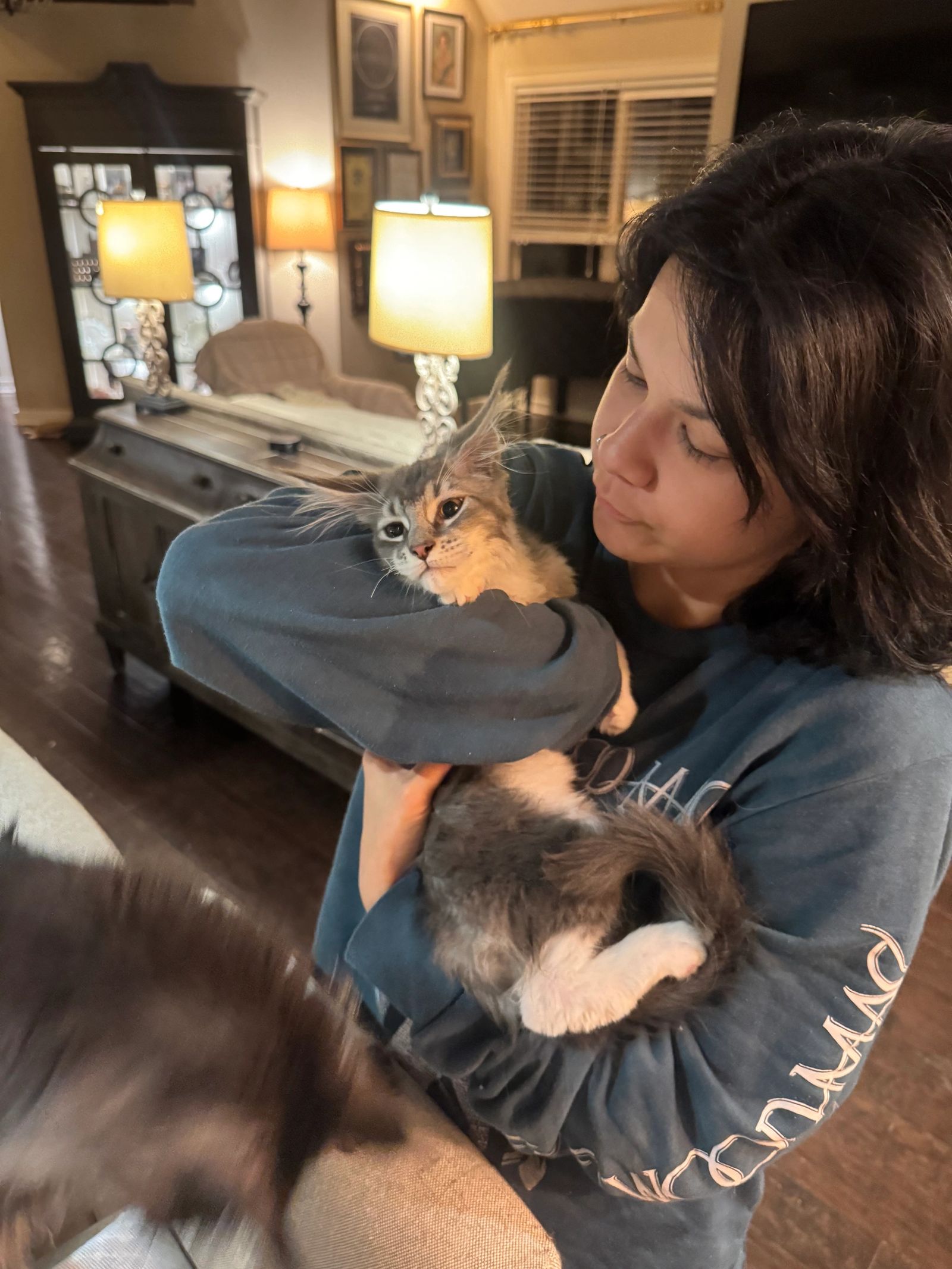
Welcoming a Maine Coon kitten into your home is an exciting and joyful experience. However, I can’t tell you how many times I’ve heard heart-wrenching stories of people buying kittens that turned out to be sick, poorly socialized, or from unethical breeders. From parasites and respiratory infections to serious conditions like HCM (hypertrophic cardiomyopathy), these situations are far too common.
More often than not, negligent breeders carelessly prioritize quick sales over the health and well-being of their kittens. The truth is, reputable breeders tend to have longer waitlists because they prioritize care and proper socialization. A lower price or immediate availability may seem tempting, but these are often red flags. Take your time, trust your instincts, and never purchase a kitten without a health guarantee or proof of veterinary care.
To help you make an informed decision, we’ve created this guide to identify healthy, well-socialized Maine Coon kittens and ensure you bring home the best companion possible.
Health Checks for Kittens
A healthy kitten will show signs of physical and overall well-being. Here are the key areas to inspect when considering your new family member.
- Veterinary Care
Ensure the kitten has been examined by a licensed veterinarian and has received vaccinations appropriate to its age. Reliable breeders always provide health records.
- Coat and Skin
The kitten’s coat should be clean, shiny, and soft to the touch. Inspect the skin for signs of parasites, mange, or fungal infections.
- Eyes, Ears, and Nose
- Eyes should be bright, free of discharge, and without clouding.
- Ears should be clean, upright, and free of wax build-up or odors. A healthy kitten’s ears will not tilt unnaturally.
- Nose should appear clean with no crusting, rawness, or congestion.
Open the kitten’s mouth (gently). Gums should be a pale pink color and moist—not white (anemia) or red (infection).
- Body Condition
The kitten should neither be too thin nor excessively chubby. You should be able to feel the ribs but not see them.
- Appetite and Digestion
A healthy kitten eats well, shows no signs of vomiting, and has a clean back end with no evidence of diarrhea.
- Living Environment
The environment where the kitten resides should be clean, well-maintained, and free of signs of neglect, odor, or illness.
When visiting a breeder, make a checklist of these factors and don’t hesitate to ask questions. Reputable breeders will welcome your attention to detail and address your concerns transparently.
Signs of a Well-Socialized Kitten
Socialization is just as important as physical health. A well-socialized Maine Coon kitten grows into a confident and affectionate cat. Be sure to look for these key traits when interacting with kittens.
- Relaxed Demeanor
A calm, well-socialized kitten will have relaxed body language. Their tail will be held high, and they’ll show no signs of fear or stress.
- Curiosity
Playful and curious kittens will explore their surroundings, interact with toys, and approach humans willingly, without hesitation or signs of discomfort.
- Positive Interactions with People
- They should not hiss, swat, or flee.
- Instead, they will be comfortable being petted and handled, often seeking out attention by rubbing against you or settling into your lap.
A well-socialized kitten can be scooped up without resistance or fear. They’ll often enjoy gentle cuddles and even purr when content.
- Interactiveness
They actively engage in play and maintain interest in the people and environment around them, indicating they’ve been exposed to everyday activities.
Ideal Living Environment for Socialization
The first two to seven weeks of a kitten’s life are critical for socialization. During this stage, they learn to associate new sights, sounds, and experiences with positive outcomes. Here’s what to watch for when assessing a breeder’s environment.
- Integrated Family Time
Kittens should spend time in areas where family life is active (e.g., living rooms or kitchens). They should not be relegated to isolated spaces, as this can lead to shy, unsocialized behavior.
- Free Movement
Socialized kittens have access to roam and explore rather than being confined to cages or crates.
- Exposure to Stimuli
Breeders should expose kittens to household noises like vacuum cleaners, TVs, and doorbells. This helps kittens acclimate to typical home environments and reduces fear responses later on.
Beware of any breeder who tells you, “You’ll finish socializing the kitten at home.” While socialization continues throughout their life, the foundation should absolutely be set before you bring your kitten home. A kitten that avoids touch or seems fearful has likely missed this critical developmental period.
Evaluate the Breeder
Finally, the breeder themselves plays the most crucial role in setting your kitten up for success. Here are some key considerations when evaluating a breeder.
- Robust Health Guarantee: A reputable breeder will offer a robust guarantee (e.g., 5+ years against genetic conditions like HCM) and provide transparent health testing documentation.
- Online and Offline Reputation: Look for reviews, testimonials, and recommendations from previous buyers. Ask for references if needed.
- Transparency: Ethical breeders have no hesitations about answering questions, providing documentation, or arranging in-person or virtual visits.
- Affiliation: Verify not just membership, but active participation, in reputable associations like The International Cat Association (TICA) or Cat Fancier’s Association (CFA). Showing cats tends to indicate accountability and high standards, although not always.
Trust Your Instincts
Bringing home a Maine Coon kitten is a cherished experience—but only when done right. Don’t rush the process and trust your gut if something doesn’t feel right. Reputable breeders prioritize the health and happiness of their kittens above everything else, even if it means longer wait times and higher prices.
Once you’re ready to begin your kitten search, remember that we’re here to help provide personalized guidance in finding the perfect new member for your family.