
Juvenile Gingivitis in Maine Coons: A Guide for Owners & Breeders
May 12, 2025
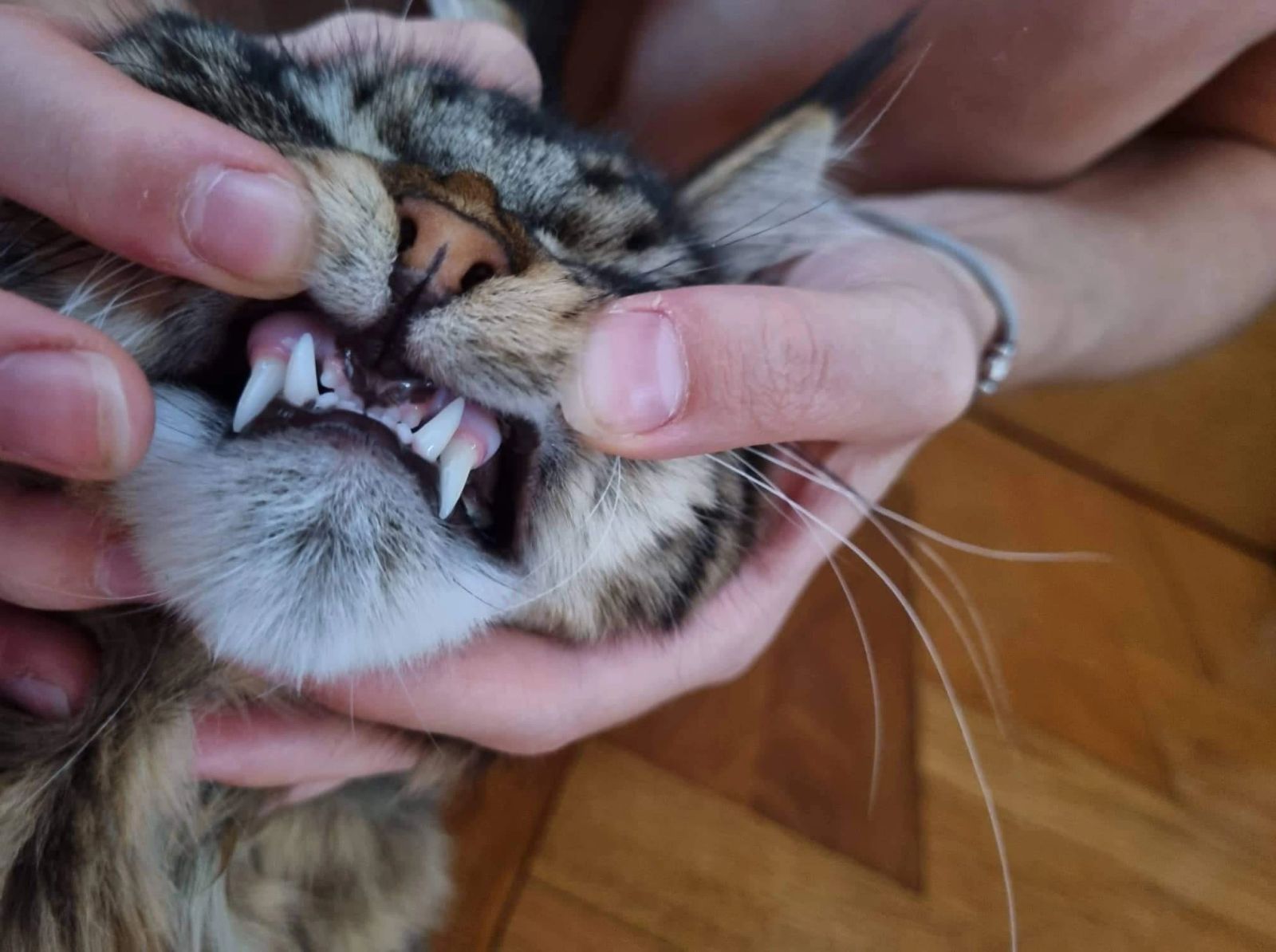
Maine Coons are famous for their majestic appearance, affectionate nature, and dog-like personalities. But as beloved as they are, this breed can face health challenges, including a condition that often goes unnoticed in young cats: juvenile gingivitis.
This blog is your comprehensive guide to understanding, identifying, and managing feline juvenile gingivitis in Maine Coons. Whether you’re a cat owner, breeder, or veterinarian, staying informed is the first step toward ensuring the health and happiness of these magnificent cats.
What is Juvenile Gingivitis?
Juvenile gingivitis, also known as hyperplastic gingivitis, is an under-recognized dental condition that develops in young cats, often between the ages of 7 to 10 months. This condition involves significant inflammation and overgrowth of the gum tissue, referred to as the gingiva. All Maine Coon kittens are particularly prone to juvenile gingivitis due to genetic predisposition, making regular oral health evaluations essential for their care and once again dictating the need to maintain an active pet insurance policy (like Trupanion) on your Maine Coon kitten.
Unlike other oral health issues, juvenile gingivitis typically affects the gums only, sparing the deeper tissues and bones. Crucially, it differs from more severe conditions like stomatitis, which involves widespread inflammation, including of the lips, tongue, and throat.
Symptoms to Look Out For:
If your young Maine Coon is experiencing any of the following symptoms, juvenile gingivitis may be the cause:
- Red, swollen gums that bleed easily
- Halitosis (bad breath)
- Enlarged or puffy gum tissue
- Discomfort while eating, especially hard food
- Loose or mobile teeth
Often, the inflammation appears disproportionate to the amount of plaque and tartar present, so don’t dismiss these signs as minor irritation.
Causes of Juvenile Gingivitis
Understanding the root cause can help with early intervention. Here are the common factors believed to contribute to this condition:
- Exaggerated inflammatory response during tooth eruption
- Exposure to viruses like FeLV, FIV, or Calicivirus
- Immune-mediated disorders such as autoimmune disease
- Hormonal changes during puberty or pregnancy
- Poor oral hygiene and plaque buildup
- Nutritional deficiencies
It’s crucial to visit your veterinarian if you notice any of these signs, as they can determine if a referral to a veterinary dentist is appropriate to identify the underlying cause and provide proper treatment.
Juvenile Gingivitis vs. Stomatitis in Cats
It’s important to distinguish juvenile gingivitis from stomatitis, as the treatment strategies differ significantly:
- Juvenile Gingivitis affects the gums only, with inflammation that does not involve alveolar bone loss or broader mucosal structures. This condition, if managed proactively, often stabilizes or resolves entirely by adulthood.
- Stomatitis, on the other hand, is a severe, chronic inflammation impacting mucosal tissues throughout the mouth, including the throat and lips. This condition often requires long-term, intensive care and may necessitate full-mouth extractions.
Consulting with a veterinary dentist, especially one experienced in feline cases, is critical for an accurate diagnosis and effective treatment plan.
Treatment Options
The good news is that feline juvenile gingivitis can often be managed successfully, especially with early intervention. Here’s an overview of how to address the condition:
1. Professional Dental Cleaning
- A meticulous cleaning under anesthesia is often the first step. This clears away any underlying plaque and tartar, reducing inflammation and creating a baseline for further treatments.
2. Plaque Management at Home
- Tooth Brushing: While brushing is the gold standard, it may be too uncomfortable initially. Gradual introduction of brushing as inflammation decreases can be beneficial.
- Specialized Diets: Dental diets, such as Hill’s Prescription Diet t/d or Royal Canin Adult Dental, can help control plaque buildup.
- Oral Hygiene Products:
- Chlorhexidine rinses or gels (e.g., C.E.T. Oral Hygiene Rinse)
- Enzymatic gels like Oratene
- Anti-plaque additives like PlaqueOff
- Dental treats and chews
3. Immunomodulation
- Administering feline omega interferon (Virbagen) or other immune-modulating therapies can help reduce inflammation in certain cases.
4. Pain Management
- Cats may need pain relief through medications such as Gabapentin or Buprenorphine to stay comfortable. Anti-inflammatory drugs, such as Meloxicam or Robenacoxib (Onsior), are sometimes prescribed in this scenario.
5. Ongoing Follow-Up Care
- Juvenile gingivitis may require frequent dental checkups and cleanings every 3 months until your cat reaches maturity at around 18 to 24 months.
- If aggressive treatment fails, regular maintenance cleanings or even tooth extraction might be necessary.
6. Severe Cases
- For the rare cases that don’t respond to treatment, advanced therapies or drastic measures, such as full-mouth extractions, may need to be considered.
Prognosis
Early diagnosis and proper management can lead to excellent outcomes. Many Maine Coons with juvenile gingivitis go into remission by the time they reach adulthood. However, left untreated, the condition can progress to severe periodontitis or stomatitis, leading to chronic pain and permanent damage.
Good response to treatment during the early stages is often an indicator of a positive long-term prognosis. Cats that receive consistent care through their formative years are more likely to achieve lasting remissions.
Preventing Future Troubles
Prevention starts with vigilance:
- Regular Dental Exams: Work closely with a veterinarian specializing in dental care to monitor your cat’s oral health. Full-mouth radiographs are recommended as part of these exams.
- Daily Home Care: Establishing a daily oral hygiene routine is key to preventing flare-ups.
- Balanced Nutrition: Ensure your Maine Coon is eating a diet that promotes optimal oral health.
- Prompt Treatment: If you notice early symptoms, act quickly before the condition worsens.
A Final Word on Juvenile Gingivitis in Maine Coons
Juvenile gingivitis, while distressing for cats and their owners, is a highly manageable condition when addressed early and with a proactive approach. By understanding the symptoms, treatments, and maintenance strategies, you can set your Maine Coon up for a lifetime of purrs and pain-free smiles.
If you suspect your Maine Coon has juvenile gingivitis or have any concerns about their oral health, don’t wait. Schedule an appointment with your veterinarian or consult with a feline dental specialist to get expert care tailored to your cat’s needs.
Your Maine Coon deserves the best care—and so do you!
Disclaimer:
The information provided by Maine Street Coons and its owner, Kyra Hagan, is for general educational purposes only and reflects the breeder’s personal experience. It is not professional veterinary advice, diagnosis, or treatment. Maine Street Coons is a private cattery, and Kyra Hagan is not a licensed veterinarian.All health decisions should be made with a licensed veterinarian who has examined your cat. Every Maine Coon is unique, and health outcomes can vary due to genetics, environment, and other factors.
Maine Street Coons makes no guarantees about the accuracy or applicability of the information provided. Always consult your veterinarian for personalized guidance. In case of a medical emergency, contact your vet or an emergency animal hospital immediately.