
Protecting Gentle Giants’ Hips: Hip Dysplasia in Maine Coon Cats
April 8, 2024
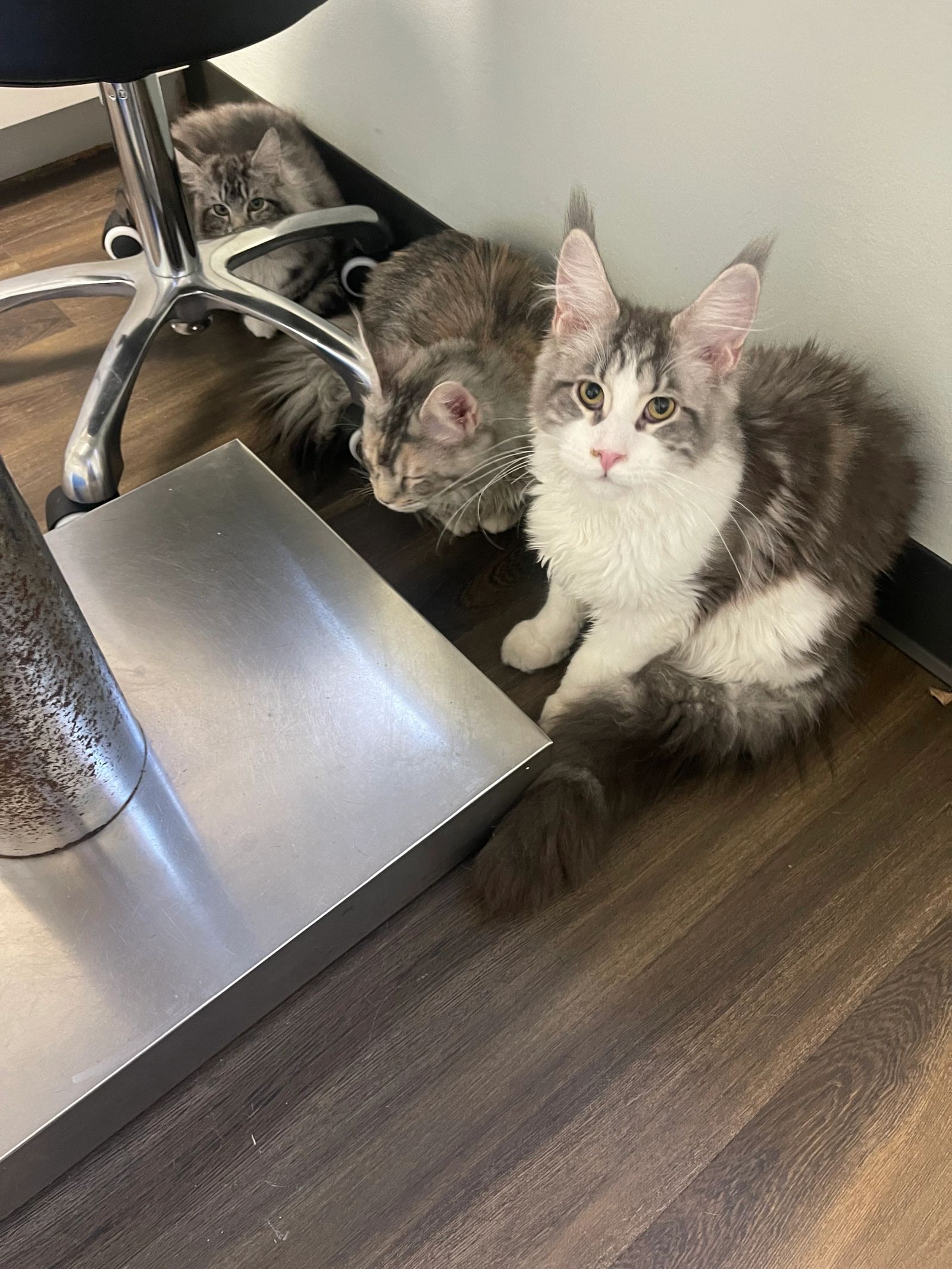
Stepping into the world of Maine Coon cats is like entering a realm of regality—a world where the robust and affable Maine Coon rules as a gentle-hearted monolith amongst felines. Yet, even these giants are not immune to the more subtle problems concealed within their majestic frames.
This glorious breed, adored for its playful nature, luxurious coat, and tufted ears, holds a vulnerability that every caretaker should be informed about. We’re turning our focus to one of the growing concerns in the Maine Coon community—hip dysplasia.
The Silent Struggle: Knowing Hip Dysplasia
For the uninitiated, hip dysplasia is a malformation of the hip joint that may lead to painful arthritis, and it’s not exclusive to dogs. In cats, and particularly Maine Coons, the lack of formal DNA testing means we often rely on monitoring symptoms and cautious breeding practices to mitigate potential risks. This congenital condition has no direct cause in felines, rather it’s attributed to various genetic and environmental factors that influence its development. It’s worth noting that while hip dysplasia is a concern in Maine Coon cats, it’s not as prevalent in the breed as it is in some dog breeds, like the German Sheperd.
Hip Dysplasia Prevention and Management
Prevention is always championed as the best medicine, and mitigating the risk of hip dysplasia in Maine Coon cats begins with responsible breeding practices. Breeders must be advocates for their lines, with a staunch commitment to avoiding any hereditary conditions.
Ethical Maine Coon breeders work hard to reduce the prevalence of hip dysplasia in this beloved breed. Find a breeder with hip X-rays performed on all their breeding cats before their first mating and around their second birthday. Ideally, their veterinarian will send these images to the Orthopedic Foundation for Animals (OFA) for reading by a panel of orthopedic specialists. In turn, OFA publishes these results on its public database.
While there are no guaranteed prevention measures for hip dysplasia, there are ways to potentially reduce the risks of developing this condition in Maine Coon cats. Some of these include:
- Regular exercise and maintaining a healthy weight to keep joints strong
- Providing joint supplements, such as glucosamine, to support joint health
- Feeding a balanced diet with essential vitamins and minerals for overall health
- Avoiding over-breeding and breeding from cats with known hip dysplasia
Diagnosing the Invisible Cane
Diagnosis of hip dysplasia in Maine Coon cats is not an undertaking for the uninformed. Through various diagnostic tools such as X-rays and physical examinations, veterinarians can determine the extent of joint displacement. But when can we expect to pin down hip dysplasia’s diagnosis in a Maine Coon?
Spotting early signs is crucial, but it presents a challenge. Symptomatology can manifest differently and timing varies; you might notice limping in kittens as young as five months, while other cats may not display clinical symptoms until they are much older, if they ever do.
For a Maine Coon owner, vigilance is your greatest ally. Look for subtle indicators such as difficulty rising, climbing stairs, or issues during litter box use. These clues may hint at a larger underlying problem. Screening as early as possible is optimal, with reliable results usually obtained when a kitten reaches their full skeletal development—somewhere between one and two years old.
Prescriptions for Pained Limbs
Treatment for hip dysplasia in Maine Coons is as varied as the condition’s manifestation. Milder cases can be managed through a holistic approach involving weight management, tailored exercise, and joint supplements. However, when the assembly of bone and cartilage veers drastically from the norm, surgical solutions become pivotal.
Surgery offers promising outcomes, particularly femoral head osteotomy and total hip replacement, which reinvigorate the feline’s mobility. Post-operative care requires patience and meticulousness, and rehabilitation is often part of the recovery process.
As you would expect, surgical treatment is quite costly. For this reason, we strongly encourage all our adopters to activate their Trupanion pet insurance policy at the time of adoption and maintain it for the lifetime of their cat. Without insurance, a pet owner can easily expect to pay $4,000-$6,000 to diagnose and repair a Maine Coon cat’s hip dysplasia.
A Life of Leaps and Bounds with Hip Dysplasia
While the diagnosis of hip dysplasia is not ideal, it is not a defining fate. We share insights on how owners can accommodate their cat to maintain a high quality of life, including adjusting living spaces, sourcing orthopedic beds and furniture, and fostering a supportive home environment.
Supplementing with chondroitin and glucosamine can help ease the pain, and regular, gentle exercise can fortify the remaining joint structures. It is a commitment through and through, but one that yields immeasurable rewards in the happiness and comfort of your feline friend.
In Conclusion: The Community of Compassionate Custodians
In wrapping up our discourse on hip dysplasia in Maine Coon cats, the resounding message is one of awareness, preparedness, and shared experiences. Building a community dedicated to the health and well-being of these regal felines is a noble pursuit. We urge all custodians of Maine Coons to engage in open dialogue, sharing not only their burdens but their solutions too.
We encourage you, dear reader, to partner with your veterinarian, avail of resources, and become a beacon of support in this landscape of learning and adaptation. After all, the hips of these gentle giants may bend, but with our collective efforts and newfound knowledge, they will never break the spirit of the Maine Coon cat.
Disclaimer:
The information provided by Maine Street Coons and its owner, Kyra Hagan, is for general educational purposes only and reflects the breeder’s personal experience. It is not professional veterinary advice, diagnosis, or treatment. Maine Street Coons is a private cattery, and Kyra Hagan is not a licensed veterinarian.
All health decisions should be made with a licensed veterinarian who has examined your cat. Every Maine Coon is unique, and health outcomes can vary due to genetics, environment, and other factors.
Maine Street Coons makes no guarantees about the accuracy or applicability of the information provided. Always consult your veterinarian for personalized guidance. In case of a medical emergency, contact your vet or an emergency animal hospital immediately.