
10 Things to Ask a Maine Coon Breeder (with Answer Guide)
August 10, 2025
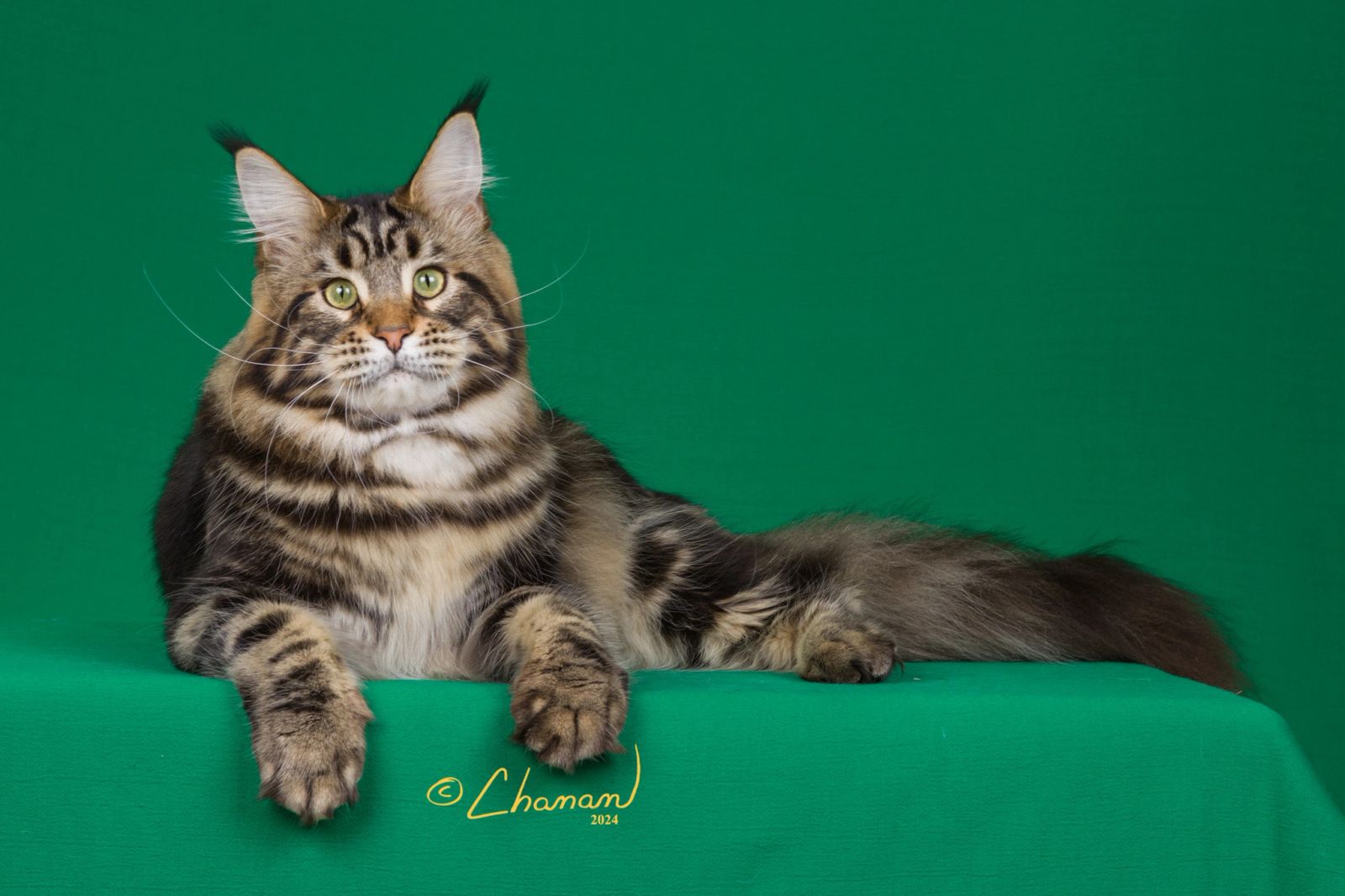
Welcoming a Maine Coon into your life is exciting! These gentle, intelligent cats with their majestic coats are a favorite among pet lovers. However, finding a responsible breeder is crucial to ensure your kitten is healthy and well-cared for. Not all breeders meet high standards, and choosing the wrong one can lead to heartbreak, unexpected expenses, or health issues for your furry friend.
Ethical breeders prioritize the health and happiness of their cats through proper care, genetic testing, and transparency. To help you identify these breeders, we’ve compiled 10 key questions to ask, along with guidance on what to look for in their answers. By the end, you’ll feel confident in choosing a breeder who shares your commitment to giving your Maine Coon the best life possible.
Question 1: Will records show that all of your cats are professionally vetted and vaccinated annually?
Why This Question Matters
Annual veterinary check-ups and vaccinations are non-negotiable for maintaining a cat’s health. These preventative measures help protect against illnesses, ensure optimal physical condition, and address potential health concerns before they become serious or unmanageable. With Maine Coons, a breed known for their size and unique health considerations, regular professional vet care becomes even more vital.
Cats who aren’t regularly examined by a qualified veterinarian are at higher risk for untreated illnesses, which could lead to long-term health complications or even shorten their lifespan. Responsible breeders know this and recognize that professional vet care is an essential investment, not an optional expense. If a breeder is unwilling or unable to share these records, it might signal a lack of transparency or insufficient care for the cats in their care.
What a Responsible Breeder’s Answer Should Include
A breeder committed to health will not shy away from this question. Instead, they will likely offer:
- Full Transparency in Records: They should readily provide documented proof of annual veterinary exams for all their breeding cats and kittens. These records typically include information on vaccinations, general health assessments, and any treatments administered.
- Confirmation of Core Vaccinations Administered: For kittens and adult cats, core vaccinations like those against feline panleukopenia, calicivirus, and rhinotracheitis are standard. A responsible breeder may also vaccinate against rabies, depending on legal requirements and local risks.
- Proof of a Relationship with a Reputable Veterinarian: They might mention working with a trusted veterinarian or even a specialized feline practitioner to ensure the highest standard of care.
Additionally, the breeder may take the opportunity to reassure you of their commitment to preventive care beyond just the standard vaccinations, such as parasite prevention and
Question 2: Will records show your breeding cats are DNA Negative for HCM, SMA, PKD, and PkDef?
When choosing a Maine Coon breeder, understanding the genetic health of the breeding cats is essential. One vital question to ask is whether the breeder provides records proving their cats are DNA negative for certain inherited conditions like HCM (Hypertrophic Cardiomyopathy), SMA (Spinal Muscular Atrophy), PkDef (Pyruvate Kinase Deficiency), and PKD (Polycystic Kidney Disease). The breeder’s response to this question can offer valuable insight into their commitment to producing healthy kittens and avoiding preventable genetic illnesses.
Why This Question Matters
DNA testing for inherited diseases is a critical part of ethical breeding practices. Maine Coons, like all breeds, can be predisposed to certain genetic disorders. Testing breeding cats for the genes linked to these conditions ensures that kittens are less likely to inherit potentially debilitating or life-threatening health issues.
Here’s a quick overview of the conditions:
- Hypertrophic Cardiomyopathy (HCM): A common heart disease in cats that causes thickening of the heart muscle, leading to reduced heart function. HCM can result in heart failure, blood clots, and short life expectancy.
- Spinal Muscular Atrophy (SMA): A genetic disorder affecting the spinal cord, leading to muscle weakness and loss of coordination. While not painful, it significantly affects the cat’s mobility and quality of life.
- Pyruvate Kinase Deficiency (PkDef): A hereditary condition that causes anemia due to enzyme deficiencies affecting red blood cells, leading to fatigue, weakness, and, in severe cases, shortened life expectancy.
- Polycystic Kidney Disease (PKD): A condition where cysts form in the kidneys, eventually leading to chronic kidney disease and organ failure.
Genetic testing helps responsible breeders identify carriers of these conditions and ensure they do not breed two carriers together, thus preventing the expression of these diseases in their kittens.
Breeding without testing can result in kittens that develop severe medical problems, which leads to heartbreak for their families and potentially expensive veterinary care. For this reason, breeders who prioritize health will always include DNA testing as a core aspect of their program.
What a Responsible Breeder’s Answer Should Include
A breeder who is serious about genetic health will provide detailed and transparent documentation. Here’s what you can expect from an ethical breeder’s answer:
- Certificates of Genetic Testing: They should readily show official DNA test results for conditions like HCM, SMA, PkDef, and PKD for all breeding cats. These documents will often be issued by licensed labs that specialize in feline genetics.
- Clear Explanation of Testing Protocols: A good breeder will explain how and when they perform these tests, ideally before any cat is added to their breeding program. They may also confirm that their cats are retested periodically to ensure ongoing health.
- Open Communication About Carrier Cats: If a cat is a known carrier of a genetic condition, responsible breeders will be upfront about their mating strategy. Ethical breeders may pair a carrier cat only with a DNA-negative cat to prevent affected kittens. Importantly, they will never pair two carriers.
- A Commitment to Transparency in Pedigrees: Ethical breeders will provide lineage information for their cats so you can see the genetic health history over multiple generations.
Their answer should leave you feeling assured that they prioritize genetic health as a primary step in their breeding process.
Red Flags to Watch Out For
Unfortunately, not all breeders take the appropriate steps to test for genetic diseases. Be cautious if you encounter these red flags:
- No Evidence of Genetic Testing: If a breeder cannot or will not provide documentation of DNA testing for their breeding cats, it’s a major warning sign. Claims of “healthy cats” without proof are not enough.
- Claims That Testing Isn’t Necessary: Breeders who insist that genetic disorders are “rare” and, therefore, testing is unnecessary should be avoided. This attitude suggests either a lack of knowledge or a disregard for best practices in breeding.
- Evasion or Defensive Responses: A breeder who becomes defensive or evasive when asked about genetic testing may have something to hide.
- Breeding Just for Traits: Be wary of breeders who focus solely on physical traits like size or coat color without consideration of the genetic health of their cats.
- Overemphasis on Cost: Breeding cats responsibly requires significant investment in testing, care, and planning. Breeders who stress affordability over quality may be cutting corners, including skipping genetic tests.
Question 3: Will records show your parent cats have been cleared of HCM via annual echocardiograms by a board-certified veterinary cardiologist?
When researching Maine Coon breeders, ensuring the health of their breeding cats is essential. One crucial question to ask is whether the breeder performs annual echocardiograms on all parent cats to screen for Hypertrophic Cardiomyopathy (HCM) and whether this is done by a board-certified veterinary cardiologist. The answer to this question is a powerful indicator of the breeder’s commitment to health and ethical practices.
Why This Question Matters
HCM is the most common heart disease in cats and is particularly prevalent in Maine Coons. It causes the thickening of the heart’s left ventricle, which can lead to heart failure, blood clots, and sudden death. Unfortunately, HCM has no cure, and while it can affect cats of any breed, Maine Coons have a higher genetic predisposition.
Annual echocardiograms conducted by a board-certified veterinary cardiologist are the gold standard for detecting HCM. These targeted ultrasounds of the heart provide a detailed assessment of cardiac function and can catch early signs of disease that would otherwise go unnoticed. While DNA testing exists for an HCM-associated mutation in Maine Coons, it’s not foolproof, as HCM can also occur in cats without the mutation. This makes echocardiograms an essential component of a responsible breeding program.
By prioritizing these health screenings, breeders demonstrate their dedication to reducing the prevalence of HCM in their litters and improving the long-term health of the Maine Coon breed.
What a Responsible Breeder’s Answer Should Include
Ethical breeders should be transparent and knowledgeable in their response to this question. Here’s what you should look for:
- Proof of Annual Echo Screenings: The breeder should provide records confirming that all breeding cats undergo echocardiograms annually. These records should be easy to verify, with the veterinarian’s name and credentials clearly included.
- Use of Specialists: A responsible breeder will emphasize the role of a board-certified veterinary cardiologist in performing these echocardiograms. These specialists have the expertise to detect the subtle signs of heart disease that general veterinarians might overlook.
- Policy for Retiring Cats with Heart Conditions: If a parent cat is found to have early signs of HCM, the breeder should have a clear and responsible policy, such as retiring that cat from their breeding program to prevent passing on the condition to future litters.
- Commitment to Transparency: The breeder should be willing to show you certificates confirming that all breeding cats are cleared of HCM during their latest echocardiograms. They’ll often be happy to explain the importance of these screenings and how they’re implemented as part of their breeding process.
Such an answer reflects the breeder’s prioritization of the health and ethical care of their cats, not just producing kittens for profit.
Red Flags to Watch Out For
Unfortunately, not all breeders adhere to these high standards of care. Watch for these warning signs when discussing HCM screening:
- Lack of Documentation: If the breeder cannot provide clear, detailed records of annual heart screening by a veterinary cardiologist, it raises serious concerns about their credibility and commitment to health standards.
- Reliance Solely on DNA Testing: While genetic testing for the HCM mutation in Maine Coons is important, it is not a substitute for annual echocardiograms. A breeder who relies on DNA testing alone is skipping a critical step in ensuring heart health.
- Claims That Echocardiograms Are Unnecessary: Some breeders might argue that they “don’t need to test every year” or that their cats “don’t show signs of heart problems.” This indicates a lack of understanding of how HCM can develop silently and progressively.
- Defensive or Evasive Responses: A responsible breeder will welcome questions about their health practices and openly discuss them. Breeders who seem uncomfortable or dismissive when asked about HCM screenings may have something to hide.
- Minimal Investment in Health: Breeding responsibly is costly, and regular echocardiograms represent a significant commitment to maintaining high health standards. Breeders who prioritize cutting costs likely do so at the expense of their cats’ health.
Question 4: What premium diet do you feed mother cats and kittens?
When evaluating a Maine Coon breeder, understanding the diet they provide for their cats and kittens can reveal a lot about their commitment to health and quality care. Asking about the specific combinations of dry food (kibble) and canned food for mother cats and kittens is an essential step in identifying an ethical and knowledgeable breeder.
Why This Question Matters
Nutrition is the foundation of a cat’s overall health, particularly for pregnant and nursing queens (mother cats) and their kittens. Feeding a premium diet tailored to cats’ specific life stages ensures proper growth, immune system support, and healthy development. For kittens, early nutrition sets the stage for lifelong well-being, while for mothers, it helps them recover from pregnancy and meet the demanding nutritional needs of nursing.
A high-quality diet must deliver the right balance of proteins, fats, vitamins, minerals, and moisture. Maine Coons, being a large and robust breed, have unique nutritional needs that responsible breeders must account for. Cheap or poorly balanced food puts both mothers and kittens at risk for developmental issues, poor weight gain, and weakened immune systems. That’s why confirming a breeder’s feeding practices is non-negotiable.
What a Responsible Breeder’s Answer Should Include
A high-quality breeder will be specific about the foods they feed and the rationale behind their choices. Here are some points to look for:
Use of Species-Appropriate, Premium Diets
- Dry Food (Kibble): Breeders should choose a high-quality kibble formulated for cats, ideally one developed for Maine Coons or pregnant/nursing cats or kittens. These formulas often have added calories, proteins, and fats to support growing bodies and milk production. Look for brands that use real meat as the primary ingredient and avoid fillers like corn or soy. Nutrition should come primarily from animal-based sources.
- Canned Food (Wet Food): A good breeder will complement dry food with high-quality canned food. Wet food provides the hydration cats naturally crave and can help prevent dehydration. For nursing queens, it offers an added layer of hydration to produce sufficient milk. Key features include high protein content, low carbohydrate levels, and no artificial additives or fillers.
Tailored to Life Stages – Breeders should adjust diets based on the stages of life and reproductive cycle:
- Pregnant/Nursing Queens: They will likely provide calorie-dense kitten food or a specific formula to support both the queen’s health and milk production.
- Kittens: The goal is to transition kittens from nursing to solid food smoothly around 4-5 weeks of age. A responsible breeder will mention a gradual weaning process, incorporating soft, easily digestible wet food mixed with kibble until the kittens are ready for solids.
Brand Transparency and Consistency: Reputable breeders openly share the brands and specific products they use. High-end brands like Royal Canin, Hill’s Science Diet, Farmina, Purina Pro Plan, or premium grain-free options often make up a responsible breeder’s selection. Their answer should demonstrate a thoughtful approach to nutrition, backed by extensive research and veterinary advice.
Understanding of Nutritional Standards: Breeders should express an understanding of feline nutritional requirements, referencing guidelines from organizations like AAFCO (Association of American Feed Control Officials) or the World Small Animal Veterinary Association (WSAVA). This reflects their commitment to providing optimal nutrition.
Willingness to Provide Feeding Recommendations: Responsible breeders usually offer guidance on continuing their feeding regimen when the kitten transitions to your home. They know maintaining dietary consistency is critical for avoiding digestive upset.
Red Flags to Watch Out For
Not all breeders prioritize nutrition equally. Be cautious if you notice any of the following:
- Use of Low-Quality Diets: If a breeder mentions using generic or cheap grocery store brands that rely heavily on fillers, artificial preservatives, or by-products, it shows a lack of care for the cats’ health.
- Vague or Evasive Responses: Breeders who are unwilling to specify the exact brands, formulas, or feeding methods they use may not be confident in their practices—or worse, they might not prioritize nutrition at all.
- No Canned Food Offered: Some breeders use only kibble due to convenience, but this approach can deprive cats of critical hydration. An exclusively dry diet raises red flags about their understanding of feline health.
- Overemphasis on Cost Savings: Feeding quality food is a notable expense, and breeders who stress how affordable their feeding program is (without citing high-quality brands) may be cutting corners.
- Improper Care for Queens or Kittens: If a breeder doesn’t emphasize the separate nutritional needs of pregnant queens or kittens, it indicates a lack of expertise in feline care.
Question 5: How old are your breeding cats when they have their first and last litters?
Choosing a responsible Maine Coon breeder means ensuring they follow ethical guidelines for breeding practices. A key aspect of this is understanding how breeders manage the ages at which their cats have their first and last litters. This question provides insight into the breeder’s knowledge, care, and dedication to the well-being of their cats.
Why This Question Matters
The timing of a cat’s breeding life—when they start and end having litters—greatly affects their health, longevity, and the quality of their offspring. Cats that are bred too early or too late are at higher risk for complications such as poor kitten health, difficult pregnancies, or shortened lifespans.
For Maine Coons, a breed known for their slower growth and larger size, this is particularly relevant. Maine Coons generally take up to 4-5 years to fully mature. Breeding them before they’ve had time to grow properly can place undue strain on their developing bodies, increasing the risks during pregnancy and birth. Similarly, overbreeding older cats can lead to physical exhaustion, reduced litter health, and a decrease in their overall quality of life.
An ethical breeder will carefully time their breeding program to prioritize the health of their queens (female breeding cats) and studs (male breeding cats), ensuring not just the safety of the parents, but also healthier, stronger kittens.
What a Responsible Breeder’s Answer Should Include
A reputable breeder should have a well-thought-out plan for when their cats are bred and retired. Their answer might include the following key points:
- Age for First Litter: Responsible breeders typically wait until a female Maine Coon is at least 12-18 months old before allowing her to have her first litter. This ensures she is old enough to have a certified echocardiogram and has had enough time to grow, develop fully, and mature both physically and emotionally. Breeding a cat too soon, especially before she has reached full maturity, can jeopardize her health and that of her kittens. For studs, while they can technically start breeding once they reach sexual maturity (around 6-10 months), most ethical Maine Coon breeders wait until they are at least a year old to ensure they have passed their HCM screen and are capable of producing strong, healthy litters.
- Age for Last Litter: Ethical breeders retire their cats from breeding well before they reach the latter years of their lifespan, usually when queens are around 5-6 years old. By this point, they’ve typically had a few litters, and continuing to breed them beyond this age could lead to increased health risks such as uterine infections or birthing complications. For studs, their breeding lifespan is generally longer. Many breeders retire males around 7-8 years of age or even sooner if signs of health issues appear. However, some studs may retire earlier based on individual health or if they are no longer needed for the breeding program.
Red Flags to Watch Out For
Not all breeders take the health and safety of their cats seriously. Be cautious if you notice any of the following red flags when discussing breeding ages and practices:
- Breeding Cats Too Early: If the breeder mentions starting to breed queens at under one year old, this is a major warning sign. Kittens bred from immature mothers are more likely to face health challenges, and the young queen herself may suffer complications.
- Overbreeding or No Defined Retirement Age: Breeders who indicate continuous breeding of cats into their later years, or those who breed queens without adequate recovery time between litters, are putting their cats’ health at risk to maximize profits.
- Excessive Numbers of Litters: A breeder who produces excessive litters from a single queen is likely prioritizing quantity over quality. This overbreeding strategy strains the health of queens and often results in lower-quality kittens with a higher risk of genetic issues.
- No Detailed Breeding Plan: If the breeder cannot provide specific age ranges or does not appear to have structured guidelines around breeding and retirement ages, it signals inexperience or disregard for ethical practices.
- Lack of Transparency: Be cautious of breeders who evade questions about breeding schedules or retirement ages. Ethical breeders will always be open and honest about their practices.
Question 6: What’s the minimum amount of time lapsed between your queen’s litters?
A key factor in identifying ethical and health-focused Maine Coon breeders is understanding how they manage the breeding schedules of their queens (female breeding cats). Asking about the minimum time they allow between litters provides insight into the care and consideration they give to their cats’ health and well-being.
Why This Question Matters
The physical demands of pregnancy, birthing, and nursing are significant for any queen. Each cycle takes a toll on her body, and without adequate recovery time, her health may deteriorate quickly. Pushing queens to have litters too frequently is not only unethical but can also lead to complications such as:
- Weakened immune systems due to inadequate recovery.
- Lower fertility rates or smaller litters over time.
- Stress and emotional exhaustion for the queen, which can impact her well-being and her ability to care for future kittens.
- Reduced kitten health, as overworked queens are less likely to provide optimal nutrition and care.
Maine Coons are a large and slow-developing breed, requiring even more attention to recovery periods. Proper spacing between litters gives a queen the opportunity to regain her strength, reset hormonally, and receive all necessary veterinary care, ensuring her overall health and the health of her future kittens.
What a Responsible Breeder’s Answer Should Include
An ethical breeder should provide a clear and specific answer to this question, reflective of their commitment to prioritizing their cats’ well-being over profits. Below are the key points a reputable response should cover:
- Minimum Rest Period Between Litters: Most responsible breeders allow a recovery time of at least eight months, preferrably longer, between litters for each queen. This gives her enough time to recover physically and mentally from the stress of pregnancy and nursing. Some breeders may extend this rest period to even a year or longer, particularly for younger or older queens, for added precaution.
Anything less than this – such as breeding queens back-to-back without sufficient rest – can lead to serious health issues, highlighting the breeder’s disregard for animal welfare.
- Monitoring the Queen’s Health Between Litters: The breeder should emphasize routine health checks for their queens during the rest period. Veterinary exams should confirm that the queen’s physical condition, weight, and hormone levels are back to normal before allowing her to breed again. Without strict oversight and regular medical evaluation, a queen may be bred prematurely, causing harm to her health.
- Limited Number of Litters Per Queen: Responsible breeders typically limit each queen to three to four litters in her lifetime, with ample spacing between them. They recognize that this approach supports her health long-term, allowing her to enjoy life as a well-cared-for pet after retirement.
- Transparent Breeding Practices: An ethical breeder should openly discuss their breeding schedule and practices. They might even explain how they keep track of rest periods using detailed health and breeding records for each queen, which reflects their professional and diligent approach to feline care.
Red Flags to Watch Out For
If a breeder fails to provide a satisfactory answer to this question, it’s a significant warning sign. Here are some specific red flags to be cautious about:
- Back-to-Back Litters: Breeding queens in consecutive heat cycles with no downtime is a clear indicator of unethical practices. This places enormous strain on the queen and increases the risk of health issues for both her and the kittens.
- Vague or Evasive Answers: A breeder unwilling to discuss their policies on recovery time likely doesn’t prioritize their queens’ health. Transparency is a fundamental trait of responsible breeders, and hesitancy to share details about their program is a serious concern.
- Overemphasis on Profit: If the breeder appears more focused on the number of kittens produced rather than the queen’s recovery, it usually signals cost-cutting at the expense of the cats’ health. Statements like “Our queens are very productive” or “We have multiple litters per year” are concerning.
- No Mention of Veterinary Monitoring: A reputable breeder will ensure that all queens receive full medical oversight during their rest periods. If health assessments aren’t mentioned, it reflects a lack of investment in proper care.
- High Kitten Availability Throughout the Year: While this might seem appealing to buyers at first glance, consistent availability of kittens may hint at overbreeding queens or running overly large-scale operations with inadequate care.
Question 7: What’s the maximum number of litters in your cattery at any given time?
If you’re researching Maine Coon breeders, asking about the maximum number of litters they have in their cattery at any given time is essential. This question provides insight into their breeding practices, their approach to animal care, and whether or not they prioritize the health and well-being of their cats and kittens.
Why This Question Matters
The number of litters a breeder has concurrently can directly correlate to the level of care each queen and her kittens receive. Managing too many litters at once often stretches resources and time, resulting in subpar care for both the parent cats and their kittens. Crowded or overrun catteries can negatively affect:
- Kitten Socialization: Proper early socialization is vital for building a kitten’s temperament and confidence. A cattery with too many litters may not allocate enough individual attention to each kitten, leading to behavior issues or underdeveloped social skills.
- Health Standards: Nursing queens and kittens need close monitoring to ensure they stay healthy. A breeder overseeing an excessive number of litters might struggle to keep up with regular check-ups, vaccinations, and hygiene protocols.
- Quality of Life for Queens: Overwhelmed breeders are less likely to give queens the rest, recovery, and individualized care they need between pregnancies. This can lead to stressed or unhealthy queens, which has downstream effects on kitten health.
Ultimately, limiting the number of simultaneous litters ensures that every cat in the breeder’s care receives adequate attention, leading to healthier, better-adjusted kittens and happier parent cats.
What a Responsible Breeder’s Answer Should Include
A responsible breeder will have clear, thoughtful policies about how many litters they manage at one time. Their answer should reflect both operational capabilities and their commitment to maintaining high standards of care.
1. Limited Number of Litters
Ethical in-home breeders typically limit their cattery to no more than one to two litters at a time. This ensures enough time and resources are available to provide each queen and her kittens with the attention they deserve. A cap on litters demonstrates that the breeder is focused on quality over quantity.
Breeders should explain how limiting litter numbers allows them to:
- Closely monitor the queens during pregnancy and nursing,
- Carefully observe the growth and health of the kittens, and
- Dedicate time to socializing the kittens, which is critical between 2 and 12 weeks of age.
2. Capacity Based on Cattery Size and Expertise
The breeder’s maximum number of litters should also align with the size of their cattery and their staff or support system. For example, a small, family-operated breeder might only manage one or two litters concurrently, while a more established breeder with trained staff and facilities could handle three to four without compromising care.
3. Transparent Policy on Litter Management
A reputable breeder will readily discuss their cattery’s structure and the resources they allocate per litter. This could include details about dedicated spaces for queens and kittens, their daily care routines, and how they ensure each animal gets personal attention. Transparency in these practices is a hallmark of a breeder who takes both animal welfare and buyer confidence seriously.
4. Focus on Quality Over Quantity
A breeder who prioritizes small-scale operations often produces healthier kittens with well-rounded temperaments. They may explain that smaller numbers allow them to focus on superior health screenings, feeding high-quality diets, and developing socialization programs.
Red Flags to Watch Out For
While discussing the number of litters with a breeder, be aware of the following warning signs that may indicate poor practices or a focus on profit over ethics:
- Too Many Litters Simultaneously: Breeders managing three or more litters at a time in a single cattery often struggle to provide adequate care. Overbreeding queens to maintain high output also suggests a priority on profit rather than a commitment to health or ethics.
- Lack of Transparency: If a breeder avoids the question or cannot give a straightforward answer about the number of litters in their care, it’s a significant red flag. Ethical breeders take pride in their practices and should have no reason to hide their methods.
- Overcrowded or Poorly Maintained Facilities: An excessive number of litters can lead to cramped, unsanitary conditions. Be cautious if the breeder mentions large-scale operations without detailing how they maintain cleanliness and manage resources effectively.
- High Kitten Availability Year-Round: While this might sound convenient, constant advertisement of kitten availability could indicate a volume-driven operation where breeding queens are pushed beyond healthy limits. This often compromises overall kitten health, along with the well-being of the queens.
- No Evidence of Individualized Care: Breeders who fail to describe individualized care plans, such as separate rooms for litters or dedicated time for kitten socialization, may be cutting corners to scale up a for-profit breeding business.
Question 8: Do you have an early spay/neuter policy for kittens before they go to their new homes?
At Maine Street Coons, we believe that responsible spay and neuter practices are crucial to both the health of the kittens and the future of the breed—but we do not endorse early spay/neuter on Maine Coon kittens. Our policy, developed closely with our trusted veterinarian, is built around the health and safety of our cats.
Why This Question Matters
While early spay/neuter (before 16 weeks of age) is common in some catteries, current veterinary research and our own experience suggest that waiting until a kitten is a little older—while still sterilizing promptly before sexual maturity—provides important health advantages for Maine Coons in particular. Large breeds like Maine Coons have unique growth and development needs that benefit from a more carefully timed procedure.
What a Responsible Breeder’s Answer Should Include
A breeder may choose not to perform early pediatric spay or neuter but instead send every kitten home with a strict contractual requirement that specifies the timeline in which the kitten must be altered, based on its gender, for example:
- Female kittens must be spayed between six and nine months old.
- Male kittens must be neutered between seven and ten months old.
The Reason Behind Waiting
- Minimized Anesthesia Risk: Older kittens are generally better able to tolerate anesthesia than those under 16 weeks old. By waiting until the recommended age window, we reduce the risk of complications during surgery—especially important for a larger, slow-maturing breed like the Maine Coon.
- Improved Joint and Urinary Health: Emerging research suggests that postponing spay/neuter until closer to six to ten months of age may reduce the likelihood of certain orthopedic and urinary tract issues. Hormones play an important role in the healthy growth of bones, joints, and internal organs, particularly in large breeds.
Red Flags to Watch Out For
When choosing a breeder, it’s important to clarify their spay/neuter policy and reasoning. Be cautious if a breeder:
- Fails to include a contractual requirement for sterilization or offers random recommendations not tailored to health or best practices.
- Encourages very early spay/neuter for Maine Coons, without explanation or awareness of the unique growth needs of the breed.
- Does not partner with a veterinarian or provide educational support around safe spay/neuter timing for large breed cats.
Question 9: How long is your health guarantee and what does it cover?
When selecting a Maine Coon breeder, one essential question to ask is about their health guarantee. Specifically, how long is the guarantee, and what does it cover? A responsible breeder will provide a clear, comprehensive health guarantee that protects both the new owner and the well-being of the kittens. Their response will speak volumes about their ethical practices and dedication to your future companion’s health.
Why This Question Matters
A health guarantee is not just a promise—it’s a reflection of the breeder’s confidence in their breeding program and the long-term health of their kittens. It should protect you from unexpected medical costs due to hereditary or congenital conditions and assure you that the breeder takes accountability for their kittens’ welfare.
Here’s why this question is critical:
- Quality Assurance: A robust health guarantee demonstrates that the breeder has put significant effort into reducing the risk of genetic or congenital disorders through proper screening and care.
- Financial Protection: Unexpected pet medical bills can be overwhelming. A health guarantee ensures new owners have some recourse if unforeseen issues arise shortly after bringing a kitten home.
- Breeder Accountability: Offering a health guarantee shows the breeder’s genuine commitment to ethical practices and their willingness to stand behind the health of their kittens.
- Transparency and Trust: A clear and detailed guarantee fosters trust, signaling that the breeder prioritizes both the cats and their new families.
What a Responsible Breeder’s Answer Should Include
A legitimate breeder will be upfront, thorough, and specific about the health guarantee they provide. Here are the key elements that responsible breeders typically include in their answer:
- Duration of the Guarantee: Health guarantees often vary in length, but a reputable breeder should offer coverage that reflects fair and ethical practices:
- Initial Short-Term Guarantee: A typical duration is 48 to 72 hours, designed to protect buyers against any undisclosed illnesses or infections detectable immediately after adoption.
- Longer-Term Genetic Health Guarantee: Many breeders offer a one- to three-year guarantee against life-threatening hereditary or congenital conditions. Breeders confident in their genetic testing may even extend this to five years or longer.
Their answer should reassure you that the timeframe allows sufficient time to uncover health issues while demonstrating their confidence in their kittens’ health.
- Conditions Covered: Responsible breeders will specify what their health guarantee includes. At a minimum, you should expect the following:
- Congenital and Genetic Conditions: Coverage should address life-threatening hereditary issues, such as heart disease (e.g., HCM) or kidney disorders.
- Initial Health Issues: The guarantee should ensure kittens are free of illnesses, such as respiratory infections or parasites, at the time of adoption.
- Exclusions: The breeder may also outline exclusions, such as injuries sustained after adoption, lifestyle-related issues, or diseases that cannot be predicted, such as FIP.
- Replacement Kitten: The buyer may receive a new kitten of comparable value should a serious condition occur.
- Partial or Full Refund of Vet Expenses: Some breeders offer financial compensation to offset veterinary costs.
- Timely vaccinations and vet care.
- Adherence to proper diet and nutrition guidelines.
- Compliance with a spay/neuter agreement (if applicable).
- Maintenance of a health insurance policy to cover unexpected illness or injury.
Such stipulations indicate the breeder’s commitment to the kitten’s health beyond their cattery.
Red Flags to Watch Out For
Not all breeders provide the same level of detail or care when crafting their health guarantees. Here are warning signs to be cautious of:
- Unclear or Vague Terms: A breeder reluctant to specify the guarantee coverage or offer written documentation should raise questions. Ambiguity suggests they may be unwilling to assume responsibility if issues arise.
- Short-Term or No Guarantee: A guarantee shorter than 72 hours, or none at all, indicates a lack of confidence in the health of their kittens or poor breeding practices.
- No Coverage for Genetic Conditions: If the breeder refuses to cover hereditary or congenital disorders, it’s often a sign they don’t conduct comprehensive health testing. Ethically bred Maine Coons should come from parents screened for common genetic conditions, such as HCM, SMA, PkDef, and PKD.
- Breach of Buyer Protection Laws: Some regions have laws requiring specific guarantees for animals sold by breeders. Be wary of breeders unwilling to comply with these regulations, including the Florida Lemon Law.
- Excessive or Unreasonable Requirements: While it’s acceptable for guarantees to include care requirements (such as timely vet visits), overly restrictive conditions—or penalties for minor deviations—may be cause for concern.
Question 10: What support do you offer to new kitten owners after adoption?
When considering a Maine Coon breeder, it’s essential to understand what kind of support you can expect once you bring your kitten home. Responsible breeders view their job as more than just producing kittens—they act as lifelong resources for the owners of the animals in their care. Asking about post-adoption support can help evaluate whether the breeder is invested in ensuring a smooth transition and continued well-being for both you and your Maine Coon.
Why This Question Matters
Adopting a new kitten is a rewarding experience, but it can also involve an adjustment period for both the owner and the kitten. Having support from an experienced breeder can reduce stress and provide the guidance you need for a successful start.
Here’s why post-adoption support is important:
- Guidance for First-Time Owners: If this is your first Maine Coon or first kitten in general, having access to expert advice can help you feel more confident in handling typical challenges, such as dietary decisions, litter box training, and socialization.
- Breed-Specific Knowledge: Maine Coons have unique needs due to their size, temperament, and grooming requirements. A breeder familiar with the breed can provide targeted advice and help troubleshoot breed-specific concerns.
- Lifelong Partnership: Ethical breeders often view their kitten families as part of their extended network. Having someone to turn to for advice on health, behavior, or care at any stage in your cat’s life can be invaluable.
- Safety Net: Whether it’s needing temporary rehoming assistance or encountering an unforeseen health issue, a responsible breeder will be there to ensure the kitten’s best interests are always the priority.
What a Responsible Breeder’s Answer Should Include
When asked about post-adoption support, a reputable breeder will detail a variety of ways they assist new kitten owners, showcasing both their dedication to their cats and their willingness to help new adopters succeed.
1. Comprehensive Kitten Care Guide
Many responsible breeders send new owners home with a detailed kitten care package including:
- Feeding schedules and nutritional recommendations
- Tips for litter box training and maintaining a clean environment
- Guidelines for grooming, especially for Maine Coons’ long, thick coats
- Vaccination schedules and reminders for regular vet visits
This guide shows the breeder has thoughtfully prepared new families for life with their kitten.
2. Open Communication
Ethical breeders often highlight their availability to answer questions at any time, particularly in those critical first days and weeks of ownership. They may encourage new owners to reach out if they encounter issues with settling in or adapting to a specific routine.
3. Health and Veterinary Guidance
You should expect the breeder to clarify any medical history, vaccination schedules, and recommendations for future veterinary care. Some breeders maintain connections with trusted veterinarians and can recommend professionals experienced with the Maine Coon breed.
4. Assistance with Transition
A dedicated breeder will provide guidance on easing the kitten’s transition to their new home. This might include suggestions for reducing stress during travel, introducing the kitten to other pets, or creating a safe and comfortable space in your house.
5. Return or Rehoming Policy
Perhaps one of the most important aspects of post-adoption support is a clear policy for rehoming. Life circumstances can change unexpectedly, and a good breeder will take back one of their kittens at any point to ensure the cat has a safe and loving environment. This demonstrates their lifelong commitment to their kittens and ensures they never end up in a shelter or unsafe situation.
Red Flags to Watch Out For
Not all breeders make post-adoption support a priority. Here are a few warning signs to be cautious of:
- Lack of Follow-Up Care: If the breeder doesn’t provide information about how they will stay in touch after adoption—or implies they don’t want to hear from you—this could indicate a lack of responsibility or interest in their kittens’ long-term well-being.
- Limited or No Care Instructions: A breeder who doesn’t provide basic care guidelines or essential information like diet or vaccination records is likely more focused on profit than on their animals’ welfare.
- No Rehoming Policy: Breeders unwilling to take back a kitten if necessary are failing to meet their ethical obligations as caretakers of the breed. Be wary of anyone who sees the adoption as a one-and-done transaction.
- Overly Defensive Communication A breeder who seems dismissive or impatient when asked for support may not be genuinely invested in the well-being of their kittens or the families they join.
Summary of the Guide
When it comes to bringing a Maine Coon kitten into your family, choosing the right breeder is an essential first step. An ethical, health-focused breeder will not only prioritize the well-being of their cats but will also value transparency and offer support to new owners. Asking the following ten questions will help you identify breeders who meet these high standards:
- Do you share records that show all your cats are professionally vetted and vaccinated annually?
- Do you share records that show all breeding cats are DNA negative for HCM, SMA, PkDef, and PKD?
- Do you share records that show all of your parent cats have been cleared of HCM via annual echocardiograms by a board-certified veterinary cardiologist?
- What premium diet combination of dry food (kibble) and canned food do you feed mother cats and kittens?
- How old are your breeding cats when they have their first and last litters?
- What’s the minimum amount of time lapsed between your queen’s litters?
- What’s the maximum number of litters you have in your cattery at any given time?
- Do you have an early spay/neuter policy for kittens before they go to their new homes? Or do you delay spay/neuter, and why?
- How long is your health guarantee, and what does it cover?
- What support do you offer to new kitten owners after adoption?
These questions are designed to give you the insight needed to assess a breeder’s practices and priorities. Whether it’s ensuring proper health testing, understanding their approach to nutrition, or learning about their post-adoption support, each answer provides a valuable piece of the puzzle.
By taking the time to ask these questions—and evaluating the responses carefully—you pave the way for a rewarding relationship with both your breeder and your new Maine Coon kitten. The peace of mind that comes from choosing an ethical breeder will enhance the joy of welcoming a happy, healthy, and well-cared-for Maine Coon into your family