
A Hopeful Horizon for Maine Coon Heart Health
October 17, 2025
The Maine Coon is a truly magnificent breed. Their gentle nature, impressive size, and striking appearance have captured the hearts of cat lovers everywhere. Bringing one of these gentle giants into your home is an act of love, a commitment to a long and happy life together. But for too many Maine Coon owners, that dream is cut tragically short by a silent killer: Hypertrophic Cardiomyopathy (HCM).
We frequently hear from devoted owners across the country who are grieving the sudden loss of a young, seemingly healthy cat. One day their vibrant companion is playing and purring, and the next, they are gone. This devastating experience is often the first time a family learns about HCM, a genetic heart condition that is unfortunately prevalent in the Maine Coon breed. These stories are heartbreaking, and they fuel our deep commitment to changing the narrative for these incredible cats.
Today, we want to share not just the reality of this disease, but also the incredible hope on the horizon. We’ll discuss the importance of proactive screening and introduce a breakthrough treatment that is changing the future for cats diagnosed with HCM.
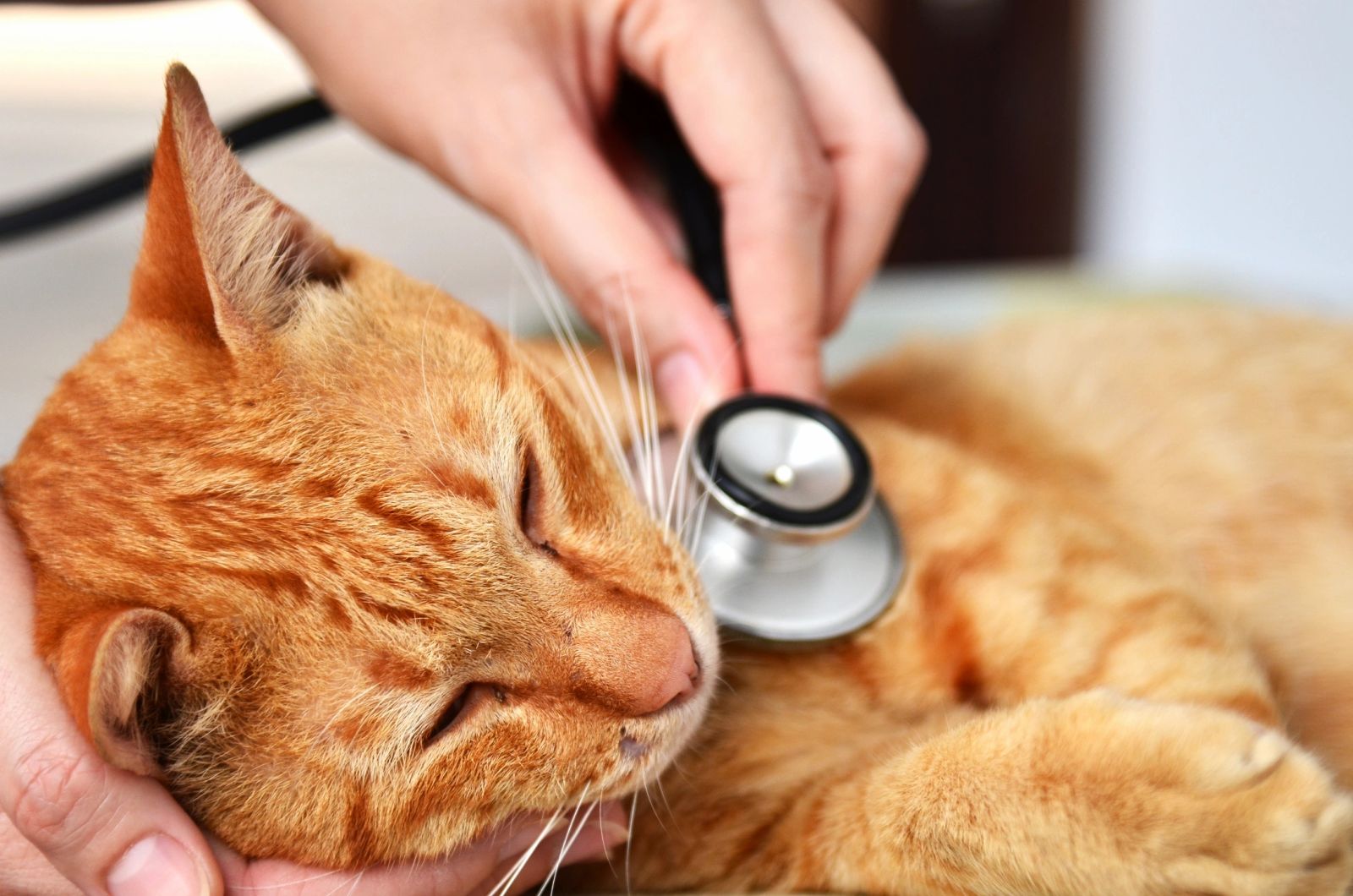
Understanding HCM: The Silent Threat
Hypertrophic Cardiomyopathy is the most common heart disease in all cats, but it has a particular genetic link to certain breeds, including the Maine Coon. The disease causes the muscular walls of a cat’s heart, specifically the left ventricle, to thicken. This thickening makes the heart stiff and less efficient at pumping blood to the rest of the body.
It’s important to understand there are two primary forms of HCM seen in Maine Coons:
1. Congenital (Early Onset) HCM:
This form of HCM is caused by inherited genetic mutations and can develop in very young cats—even kittens or adolescents. Tragically, congenital HCM often leads to sudden death at a young age, sometimes before owners are even aware anything is wrong. This is the heartbreaking scenario many Maine Coon families have experienced, where a healthy and playful young cat is suddenly lost due to an undiagnosed heart condition. Early-onset HCM is directly linked to genetics, which makes responsible testing and breeding practices absolutely critical.
2. Age-Related (Late Onset) HCM:
In contrast, some cats may develop HCM as they grow older, typically as part of the natural aging process. Age-related HCM can occur in any cat, regardless of genetics, and usually manifests later in life. This form is not something breeders can control; even with completely clear genetic lines, older cats can still develop HCM simply due to changes in their heart over time, much like age-related conditions in humans.
The progression of both forms of HCM can be slow and may not show outward symptoms for years. A cat can appear perfectly normal while the disease silently advances. When symptoms do appear, they can be sudden and severe, often indicating congestive heart failure.
Common signs of advanced HCM include:
- Rapid or open-mouthed breathing
- Lethargy and weakness
- Loss of appetite
- Sudden paralysis of the hind legs due to a blood clot (aortic thromboembolism, or ATE)
The scariest part for many owners is that the first sign is often sudden death—especially in young cats with congenital HCM. This is why proactive screening is not just a recommendation; it is an essential part of responsible Maine Coon ownership.
DNA Testing and Echocardiograms
You cannot fight an enemy you cannot see. When it comes to HCM, our best weapons are early detection and prevention through diligent screening. This is why we are so deeply committed to two key practices: DNA testing and annual echocardiograms.
The Role of DNA Testing
Scientists have identified a specific genetic mutation (A31P) in the MyBPC3 gene that is associated with a higher risk of developing HCM in Maine Coons. A simple DNA test, usually done with a cheek swab, can tell you if your cat carries this mutation.
- N/N: Negative/Negative. Your cat does not carry the mutation.
- N/HCM: Heterozygous. Your cat carries one copy of the mutation and has an increased risk of developing HCM.
- HCM/HCM: Homozygous. Your cat carries two copies of the mutation and is at a significantly higher risk.
It is crucial to understand that a DNA test is not a diagnosis. A cat can test positive for the mutation and never develop the disease, while a cat that tests negative can still develop HCM from other, yet-unknown genetic or environmental factors. However, DNA testing is an invaluable tool for breeders to make informed decisions and reduce the prevalence of the known mutation in future generations. At Maine Street Coons, we do not leverage cats that carry the A31P gene, or cats derived from lines that are known to carry the gene, in our breeding program.
The Gold Standard: Annual Echocardiograms
While DNA testing provides a look at risk, an echocardiogram (an ultrasound of the heart) provides a look at reality. This non-invasive procedure is the definitive way to diagnose HCM. Performed by a veterinary cardiologist, an echo allows the doctor to see the heart’s structure, measure the thickness of the walls, and assess its function.
For Maine Coons, we recommend starting annual echocardiograms around one year of age. This yearly check-up allows a cardiologist to monitor the heart over time and detect the earliest signs of thickening long before your cat shows any symptoms. Early diagnosis is the key to effective management, giving you and your veterinarian the chance to intervene and slow the disease’s progression.
A Breakthrough in Treatment: Introducing Felycin-CA1
For decades, managing HCM in cats has been about controlling symptoms once heart failure begins. Treatments focused on diuretics to reduce fluid in the lungs and medications to prevent blood clots. While helpful, these therapies did not address the underlying cause of the disease—the thickening of the heart muscle itself.
Now, that has changed. The recent FDA approval of Felycin-CA1 (mavacamten) marks a monumental shift in feline cardiology.
Felycin-CA1 is the first-ever animal drug designed to target the source of HCM. It works by reducing the excessive contractions of the heart muscle, which in turn helps prevent and reverse the abnormal thickening. This isn’t just about managing symptoms; it’s about treating the disease at its core.
The significance of this breakthrough cannot be overstated. For cats diagnosed with HCM but not yet in congestive heart failure, Felycin-CA1 offers the potential to delay the onset of symptoms, improve quality of life, and extend their time with their families. It turns a grim diagnosis into a manageable condition, offering hope where there was once only heartbreak.
A Future Filled with Hope
The fight against HCM in Maine Coons is a journey of both sorrow and science. We remember every cat lost too soon and honor them by championing a better future. That future is built on a foundation of responsible breeding, empowered owners, and medical innovation.
By combining the genetic insights from DNA testing with the diagnostic power of echocardiograms, we can identify at-risk cats earlier than ever before. And with the arrival of transformative treatments like Felycin-CA1, we can now offer them a genuine chance at a longer, healthier life.
Your commitment to proactive health screening is the most loving gift you can give your Maine Coon. It provides peace of mind and, most importantly, provides time—the most precious commodity of all. Together, we can work toward a day when losing a young Maine Coon to HCM is a rarity, not a recurring tragedy.
Disclaimer:
The information provided by Maine Street Coons and its owner, Kyra Hagan, is for general educational purposes only and reflects the breeder’s personal experience. It is not professional veterinary advice, diagnosis, or treatment. Maine Street Coons is a private cattery, and Kyra Hagan is not a licensed veterinarian.
All health decisions should be made with a licensed veterinarian who has examined your cat. Every Maine Coon is unique, and health outcomes can vary due to genetics, environment, and other factors.
Maine Street Coons makes no guarantees about the accuracy or applicability of the information provided. Always consult your veterinarian for personalized guidance. In case of a medical emergency, contact your vet or an emergency animal hospital immediately.