
Breeders Can’t Prevent Everything: Why Pet Insurance Matters
August 19, 2025
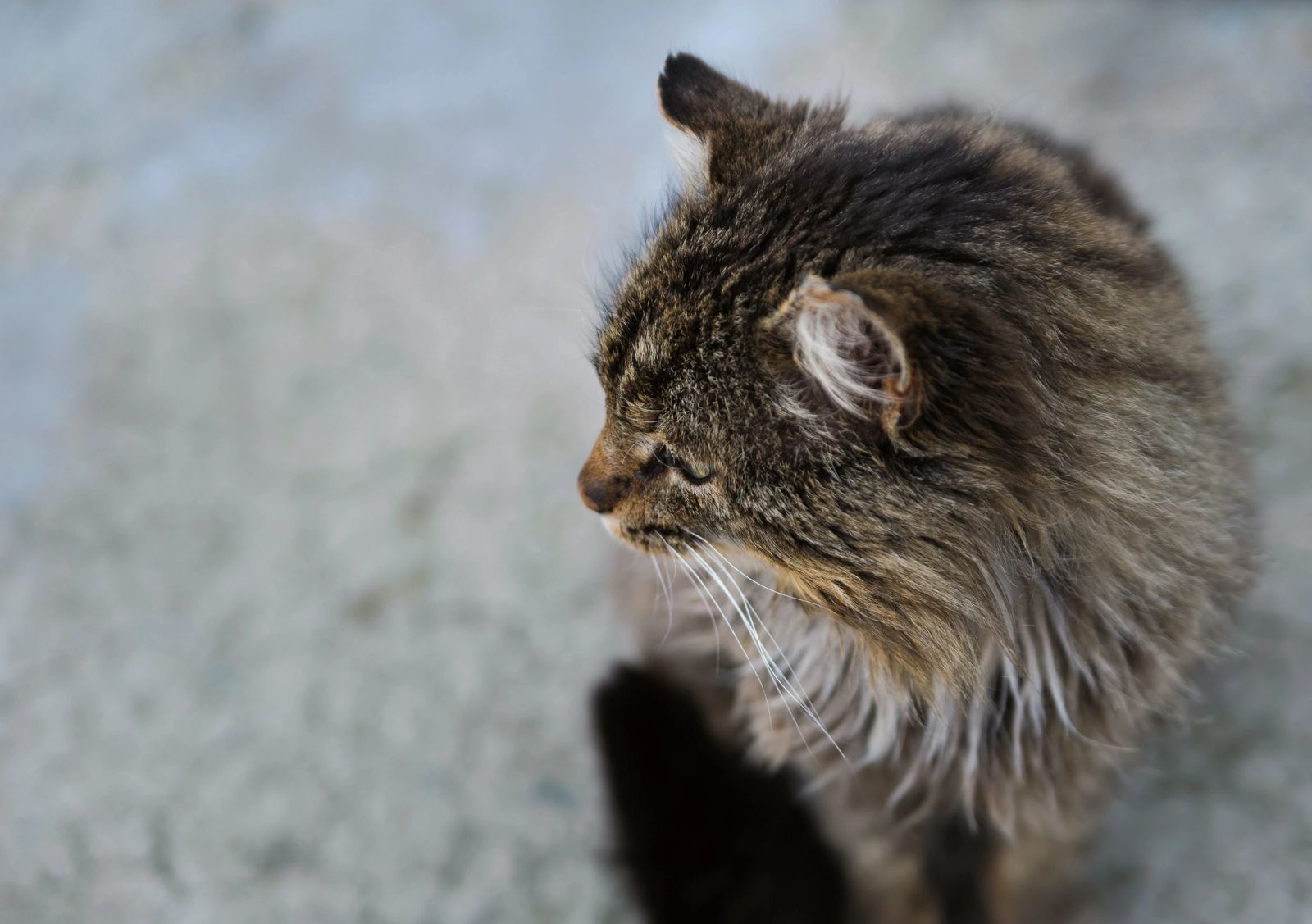
You’ve done your homework. You found a reputable breeder, asked all the right questions, and welcomed a healthy kitten into your home. Your cat’s parents passed all health screenings, and you’ve provided the best care possible. Yet despite these precautions, expensive health conditions can still emerge—even in cats from the most responsible breeders.
This reality highlights a crucial truth: genetics, age, and unforeseen circumstances don’t discriminate. Understanding common costly health conditions and preparing with pet insurance can help you provide the best care for your feline companion without breaking the bank.
Why Even Responsible Breeding Can’t Prevent All Health Issues
Responsible breeders invest heavily in health testing, genetic screening, and maintaining detailed lineage records. They screen for known hereditary conditions and only breed cats that meet strict health standards. However, several factors make it impossible to prevent all health problems:
Genetic complexity makes prediction challenging. Many conditions involve multiple genes or have delayed onset. A cat may carry genetic markers that don’t manifest until later in life, making early detection nearly impossible.
Environmental factors play a significant role. Even cats with perfect genetics can develop health issues due to environmental triggers, stress, diet, or simply the natural aging process.
New research continues to reveal unknown risks. As veterinary medicine advances, we discover genetic markers and conditions that weren’t previously understood or testable.
Random mutations can occur. Some health conditions result from spontaneous genetic changes that couldn’t have been predicted or prevented through breeding practices.
Costly Health Conditions That Can Affect Any Cat
Accidental Injuries
Accidental injuries are some of the most sudden and expensive emergencies a cat owner can encounter—even when cats are kept strictly indoors. No matter how diligent you are, curious cats can fall from furniture or shelves, get tangled in window blinds, or ingest foreign objects like string, hair ties, or household plants.
Why they’re unpredictable: Cats love to explore and can quickly get themselves into trouble. A playful leap gone wrong or the temptation of a dropped item on the floor can lead to broken bones, intestinal blockages, or other serious injuries, all without ever leaving the safety of your home.
Potential costs: Emergency vet visits for indoor injuries often cost $500–2,000. Treatment for fractures, intestinal obstructions, or internal injuries requiring surgery can range from $1,500–6,000 or more, depending on the situation. Extra expenses for imaging, hospitalization, medications, and follow-up care can easily bring the total cost above $8,000 in severe cases.
Chronic Kidney Disease
Kidney disease affects approximately one in three senior cats, but younger cats can also develop this condition. The kidneys gradually lose function, requiring ongoing management to maintain quality of life.
Why it’s unpredictable: While some kidney diseases have genetic components, many cases result from environmental factors, infections, toxins, or simply aging. Even cats from health-tested lines can develop kidney problems later in life.
Potential costs: Initial diagnosis involves blood work, urinalysis, and imaging ($300-800). Treatment includes prescription diets ($50-100 monthly), medications ($30-150 monthly), fluid therapy ($100-300 per session), and regular monitoring ($150-300 per visit). Advanced cases may require hospitalization ($1,000-3,000 per stay). Lifetime management costs often reach $8,000-12,000.
Dental Disease and Oral Health Issues
Dental problems plague up to 85% of cats over three years old. While poor dental care contributes to these issues, some cats develop severe dental disease despite excellent home care, often due to genetic predisposition or autoimmune conditions.
Why it’s unpredictable: Some cats inherit softer tooth enamel, abnormal tooth development, or immune system responses that make them more susceptible to dental disease, regardless of care quality.
Potential costs: Professional dental cleanings under anesthesia cost $500-1,500. Tooth extractions add $50-200 per tooth. Severe cases requiring multiple extractions can cost $2,000-4,000. Ongoing pain management and special diets add $30-100 monthly. Cats requiring extensive dental work may face total costs of $5,000-8,000 over their lifetime.
Cancer
Cancer affects approximately one in five cats during their lifetime. While age increases risk, younger cats can also develop various cancers, including lymphoma, squamous cell carcinoma, and fibrosarcoma.
Why it strikes unpredictably: Most feline cancers have unknown causes, making prevention through breeding impossible. Environmental factors, viruses, and genetic predisposition all play roles that aren’t fully understood, and most cases appear randomly.
Potential costs: Cancer diagnosis often requires extensive testing ($1,000-3,000), including biopsies, imaging, and staging. Treatment options vary dramatically in cost: surgery ($1,500-8,000), chemotherapy ($2,000-10,000), or radiation therapy ($6,000-15,000). Palliative care and quality-of-life management add ongoing expenses. Total cancer treatment can range from $3,000-25,000 or more.
Urinary Blockages and FLUTD
Feline Lower Urinary Tract Disease (FLUTD) encompasses various conditions affecting the bladder and urethra. Male cats face particular risk of life-threatening urinary blockages that require immediate emergency treatment.
Why breeding can’t eliminate the risk: While some urinary issues have genetic components, most result from diet, stress, environmental factors, or unknown causes. Even cats from healthy bloodlines can go on to develop urinary problems.
Potential costs: Emergency unblocking procedures cost $1,500-4,000. Hospitalization and monitoring add $500-1,500 daily. Recurrent blockages may require surgical intervention ($2,000-5,000). Long-term management includes prescription diets ($60-120 monthly) and regular monitoring ($150-300 per visit). Cats with chronic urinary issues often accumulate $5,000-10,000 in veterinary costs.
The Financial Reality of Cat Ownership
The American Pet Products Association reports that cat owners spend an average of $1,480 annually on veterinary care. However, this figure doesn’t account for major health events that can cost thousands in a single episode.
Consider these scenarios:
- A three-year-old cat requires emergency surgery for an accidental injury: $5,000-10,000
- A five-year-old cat needs emergency surgery for intestinal blockage: $4,000-8,000
- An eight-year-old cat receives cancer treatment: $8,000-20,000
- A senior cat requires management for kidney disease and dental issues: $10,000+
These expenses can strain even well-prepared pet owners, leading to difficult decisions about treatment options.
How Pet Insurance Provides Peace of Mind
Pet insurance operates similarly to human health insurance, helping cover unexpected veterinary expenses in exchange for monthly premiums. Modern pet insurance policies have evolved significantly, offering comprehensive coverage for various conditions and treatments.
At Maine Street Coons, we strongly recommend Trupanion pet insurance to our families. Trupanion stands out for its direct payment system with participating veterinarians—meaning you don’t have to pay a large bill up front and wait to be reimbursed. This is a huge relief during emergencies or when dealing with major health procedures.
Trupanion also offers broad coverage for genetic conditions, which is especially important for pedigreed cats like Maine Coons. Their customer service consistently earns high marks, making the process of caring for your cat much less stressful.
Coverage Benefits
Accident and illness protection: Most policies, including Trupanion, cover emergency treatments, diagnostic testing, surgeries, medications, and hospitalization for covered conditions.
Hereditary and congenital condition coverage: Trupanion provides comprehensive protection against genetic conditions that may affect Maine Coons and other pedigreed cats.
Cancer treatment coverage: Plans typically cover cancer diagnosis and treatment, including chemotherapy, radiation, and surgery.
Chronic condition management: Once diagnosed and covered, many policies help with ongoing treatment costs for conditions like kidney disease, diabetes, and heart disease.
Financial Predictability
Pet insurance transforms unpredictable, potentially devastating veterinary bills into manageable monthly expenses. With Trupanion’s direct payment to veterinarians, you won’t have to cover the total amount up front—instead, you are only responsible for your deductible and coinsurance, dramatically reducing financial stress during difficult times.
Treatment Freedom
Insurance coverage allows pet owners to pursue optimal treatments rather than settling for less expensive alternatives. This means better outcomes for pets and less guilt for owners who might otherwise face impossible financial decisions. With Trupanion’s reliable support and straightforward process, you can focus on your cat’s care, not the paperwork.
Choosing the Right Pet Insurance Policy
Start Early
The best time to purchase pet insurance is when your cat is young and healthy. Pre-existing conditions typically aren’t covered, making early enrollment crucial for comprehensive protection.
Compare Coverage Options
Accident-only policies provide basic protection but won’t help with most chronic conditions. Accident and illness plans offer more comprehensive coverage. Comprehensive plans may include wellness care and preventive treatments.
Understand Policy Terms
Pay attention to:
- Annual vs. condition-specific deductibles and how they apply
- Reimbursement percentages (typically 70-90%)
- Annual or lifetime benefit limits
- Waiting periods for different conditions
- Exclusions and limitations
Consider Your Budget
Monthly premiums typically range from $15-50 for cats, depending on age, breed, location, and coverage level. While higher premiums often mean better coverage, choose a plan you can maintain consistently throughout your cat’s life.
Making the Decision: Protecting Your Cat’s Future
Even the most responsible breeders and dedicated pet owners can’t prevent all health problems. Genetics, environmental factors, and simple bad luck can affect any cat, regardless of their background or care quality.
Pet insurance provides a financial safety net that ensures you can focus on your cat’s health rather than treatment costs. When facing a diagnosis of HCM, kidney disease, or cancer, insurance coverage can mean the difference between comprehensive treatment and difficult compromises.
Consider pet insurance as an investment in your cat’s future health and your peace of mind. Research policies while your cat is healthy, compare options carefully, and choose coverage that fits your budget and provides adequate protection.
Your cat depends on you for their healthcare decisions. Pet insurance ensures that financial constraints won’t limit your ability to provide the best possible care when they need it most. Because even with the best breeding and care, health challenges can arise—and preparation makes all the difference.