
Choosing a Maine Coon Breeder: Why Annual Echocardiograms Matter
August 8, 2025
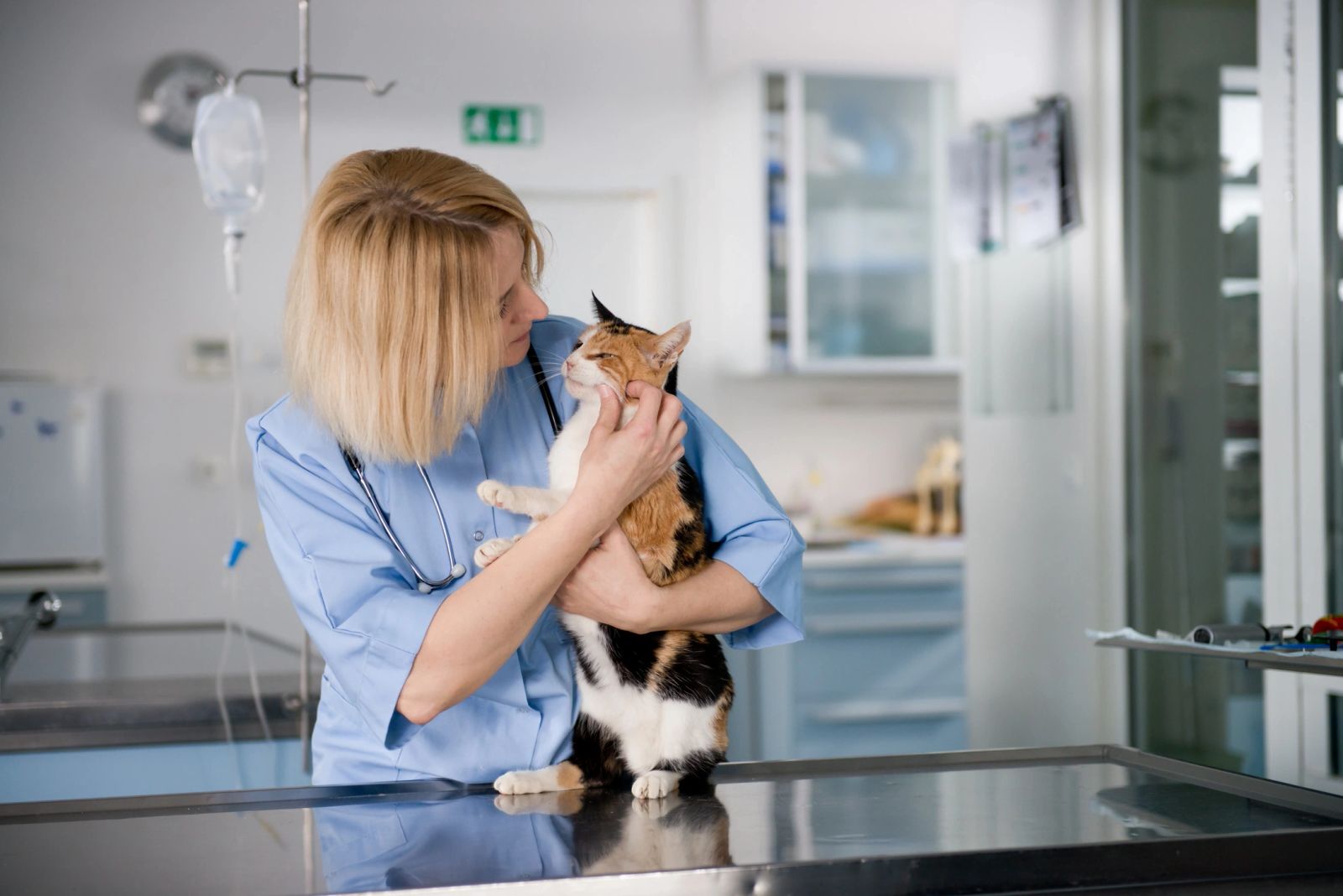
Maine Coons are treasured for their large size, friendly personalities, and striking appearance. However, behind the allure of these magnificent cats lies an important responsibility for pet buyers like you—choosing a breeder who prioritizes the health and well-being of their cats. One key area of focus in Maine Coon breeding is the prevention of hypertrophic cardiomyopathy (HCM), a serious heart condition that is prevalent in the breed.
It’s easy to get swept up in the excitement of adopting a Maine Coon, but as a buyer, you hold the power to support ethical breeding practices. Making informed decisions ensures not only the health of your new pet but also contributes to the long-term viability of the breed. This post explains why health screenings like echocardiograms are essential and guides you on how to find a responsible breeder.
Understanding Hypertrophic Cardiomyopathy (HCM) in Maine Coons
HCM is the most common heart disorder in cats, and Maine Coons are particularly prone to it. This condition causes the walls of the heart to thicken, reducing its ability to pump blood efficiently. If left undetected, HCM can lead to complications like heart failure or even sudden death.
HCM is often hereditary and linked to genetic mutations, meaning it can be passed from parent cats to their kittens. However, detecting early signs of this disease can be tricky because many cats appear healthy, even if they’re affected. That’s why proactive steps, such as genetic testing and annual echocardiograms (a type of ultrasound imaging of the heart), are critical in Maine Coon breeding programs.
Why This Matters to You
When you buy a Maine Coon, you’re not just getting a pet—you’re making an investment in their future health and happiness. Choosing a responsible breeder who conducts health screenings minimizes the risk of your cat developing HCM and the heartbreak that comes with it.
The Role of Echocardiograms in Maine Coon Health
An echocardiogram is a valuable tool that allows veterinarians to assess your cat’s heart in detail, even before symptoms of HCM appear. Conducting annual echocardiograms enables breeders to identify affected cats early and make informed decisions about their breeding programs.
Why Responsible Breeders Use Echocardiograms
- Early Detection of HCM: Echocardiograms can reveal early signs of HCM that might not be obvious during routine veterinary checkups. Discovering these signs before symptoms develop allows for more effective management of the condition.
- Ethical Breeding Decisions: Responsible breeders avoid using cats with HCM in their breeding programs, reducing the risk of passing the condition on to future generations.
- Transparency and Trust: Annual echocardiograms show a breeder’s commitment to feline health and uphold their reputation for ethical breeding practices.
By asking breeders about echocardiograms, you ensure that they are taking the right steps to select healthy breeding pairs and protect the long-term well-being of Maine Coons.
How to Choose a Responsible Breeder
If you’re interested in bringing a Maine Coon into your family, it’s crucial to do your homework when selecting a breeder. Not all breeders are created equal, and your choice can make a significant difference in your pet’s health and quality of life. Here’s how you can evaluate whether a breeder is responsible:
1. Ask About Health Testing
The first question you should ask is whether the breeder screens their breeding cats for HCM. Look for breeders who routinely perform echocardiograms on all their breeding cats. Ideally, these screenings should begin when the cats are about one year old and continue annually.
Additionally, responsible breeders often complement echocardiograms with genetic testing for known HCM-related mutations, such as those affecting the Myosin-binding protein C (MYBPC3) gene. While genetic testing isn’t a substitute for echocardiograms, it provides valuable information about the potential for inherited conditions.
2. Review Health Records
Transparent breeders should be willing to share detailed health records for their cats. These records should include:
- Results from recent echocardiograms
- Genetic testing results for HCM mutations
- Documentation of vaccinations and other routine veterinary care
Avoid breeders who are unwilling or unable to provide this information—it’s a red flag.
3. Visit the Breeder’s Facility
A visit to the breeder’s home or facility can reveal a lot about their practices. Look for these signs of a reputable breeder:
- Clean, spacious living conditions for the cats
- Cats that appear well-socialized and healthy
- A willingness to answer all your questions about their breeding program
During your visit, ask the breeder about their experience, breeding philosophy, and how they screen for HCM. Responsible breeders should be open, knowledgeable, and committed to feline health.
4. Check References and Reviews
Don’t hesitate to reach out to previous buyers or look for online reviews when evaluating a breeder. Positive testimonials from happy, informed owners can give you confidence in your decision.
5. Prioritize Transparency Over Convenience
Ethical breeders often have waiting lists or strict application processes because they prioritize thoughtful pairings and healthy litters. While it can be tempting to choose a breeder who offers immediate availability, remember that convenience should never outweigh your pet’s health and well-being.
Why Choosing a Responsible Breeder Matters
When you purchase a Maine Coon kitten from a responsible breeder, you’re making a statement about your values. You’re:
- Supporting breeders who invest in health screenings and ethical practices
- Discouraging breeders who prioritize profit over feline health
- Contributing to the effort to reduce the prevalence of HCM in Maine Coons
Your decision also has a ripple effect. By choosing a breeder who prioritizes regular echocardiograms and genetic testing, you’re encouraging others in the Maine Coon community to adopt similar practices. Over time, this can lead to a healthier, more resilient breed.
Final Thoughts
Bringing a Maine Coon into your family is an exciting and rewarding experience—but it comes with responsibility. By choosing a breeder who uses annual echocardiograms and follows ethical practices, you’re taking an important step to protect your cat’s health.
Ask the right questions, demand transparency, and don’t settle for anything less than a responsible breeder. Your decision isn’t just about the health of your cat—it’s about supporting the future of the Maine Coon breed. When you prioritize health screenings like echocardiograms, you demonstrate the care and commitment these gentle giants deserve, ensuring they’ll continue to thrive for generations to come.
Disclaimer:
The information provided by Maine Street Coons and its owner, Kyra Hagan, is for general educational purposes only and reflects the breeder’s personal experience. It is not professional veterinary advice, diagnosis, or treatment. Maine Street Coons is a private cattery, and Kyra Hagan is not a licensed veterinarian.
All health decisions should be made with a licensed veterinarian who has examined your cat. Every Maine Coon is unique, and health outcomes can vary due to genetics, environment, and other factors.
Maine Street Coons makes no guarantees about the accuracy or applicability of the information provided. Always consult your veterinarian for personalized guidance. In case of a medical emergency, contact your vet or an emergency animal hospital immediately.