
What Every Kitten Buyer Should Know: The Dark Side of Breeding
February 1, 2026
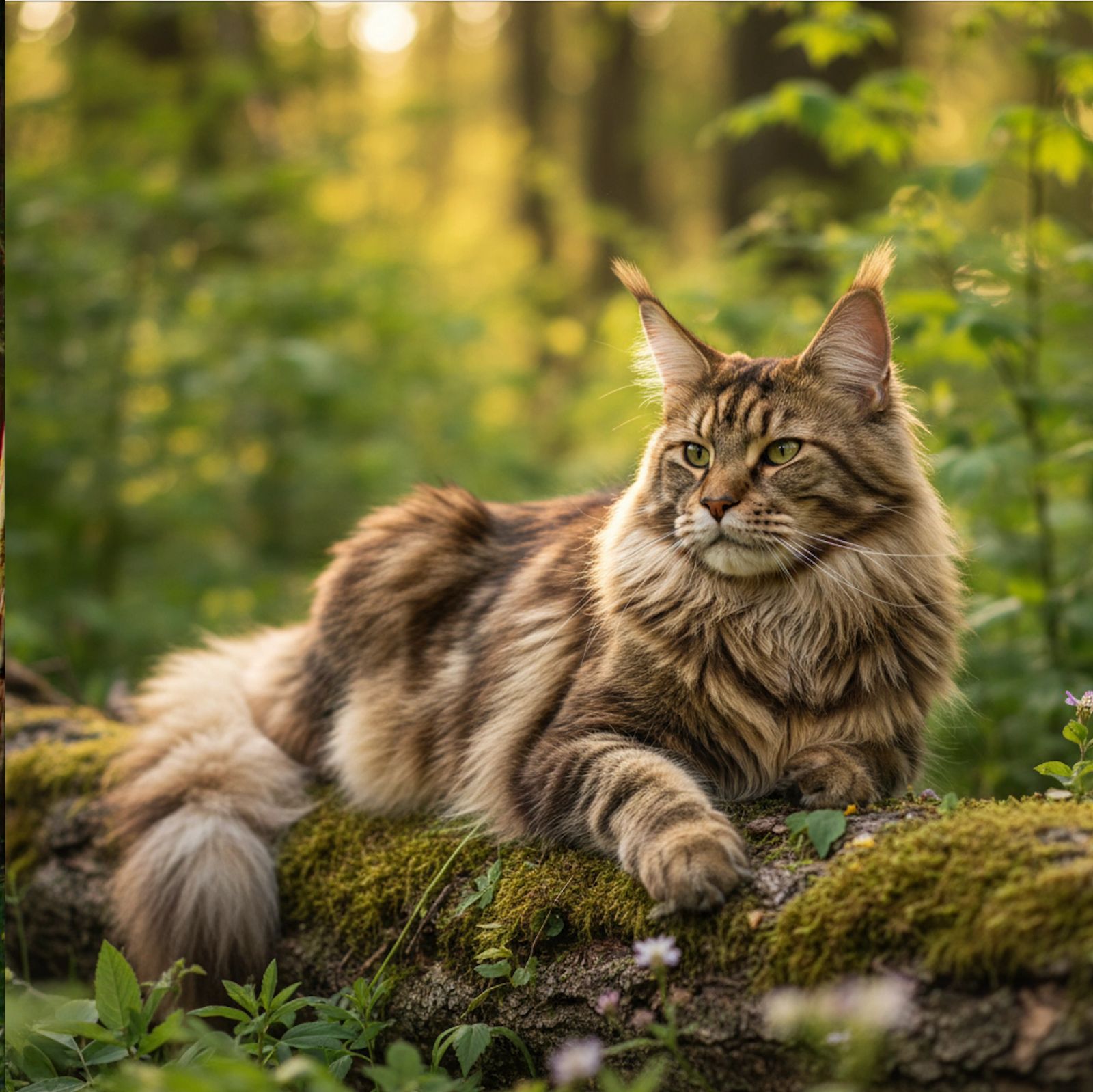
The Maine Coon cat, with its majestic size, tufted ears, and gentle nature, has captured the hearts of cat lovers worldwide. These “gentle giants” are beautiful companions, but their rising popularity has cast a dark shadow over the breed. An alarming increase in irresponsible breeding practices threatens the health and well-being of these magnificent animals. Before you bring a Maine Coon into your home, it’s crucial to understand the hidden dangers lurking behind a seemingly good deal.
This post will explore the troubling aspects of the Maine Coon trade. We will cover the rise of backyard breeders, the impact of the “European” Maine Coon trend, and how the search for a low price can unintentionally support animal hoarding and neglect. Understanding these issues is the first step toward making an ethical choice and finding a truly healthy and well-socialized feline friend.
The Rise of the Backyard Breeder
As demand for Maine Coons has soared, so has the number of backyard breeders. These are typically individuals with little to no knowledge of genetics, animal husbandry, or breed standards. They see the high price tag of a Maine Coon kitten and decide to produce their own litters for profit, often at the expense of the cats’ welfare.
Backyard breeders frequently cut corners to maximize their earnings. This can mean skipping essential genetic health screenings for conditions like hypertrophic cardiomyopathy (HCM), a common and fatal heart disease in the breed. They may also neglect proper veterinary care, vaccinations, and deworming. Kittens are often raised in stressful, unsanitary conditions, leading to behavioral problems and chronic health issues that new owners are left to handle.
These operations thrive on the uninformed buyer. They create appealing online ads with cute kitten pictures, but what you don’t see is the reality behind the scenes: overbred female cats, crowded living spaces, and a complete disregard for the long-term health of the animals they produce.
The “European Maine Coon” Craze
A recent trend complicating the issue is the fascination with “European” Maine Coons. These cats are often marketed as having more “wild” or “feral” features, such as extreme muzzles and larger ear tufts. While some reputable European breeders adhere to high standards, a significant problem has emerged from certain regions, particularly in Eastern Europe.
Unscrupulous individuals in these areas have begun mass-producing kittens and selling them internationally with full breeding rights to anyone willing to pay. This practice floods the market with genetically unvetted cats. A buyer in the United States can purchase a cat online, have it shipped, and immediately start their own breeding program without any mentorship, experience, or understanding of ethical breeding.
This fuels the backyard breeder problem on a global scale. It creates a vast network of amateur breeders who are simply producing more and more cats without any consideration for health, temperament, or the betterment of the breed. The allure of a unique-looking cat blinds many buyers to the unethical supply chain they are supporting.
Hoarding Cases Fueled by Bargain Hunters
One of the most tragic outcomes of irresponsible breeding is animal hoarding. These situations often begin as small-scale backyard breeding operations that spiral out of control. The breeder may be unable to sell all the kittens or may keep too many cats for their program, leading to overcrowding. Over time, the financial and emotional burden becomes overwhelming, and the standard of care plummets.
These hoarding cases can go undiscovered for years, quietly fueled by buyers looking for a “cheap” Maine Coon. When a potential owner sees a kitten advertised for half the typical price, it’s a major red flag. That low price is only possible because the breeder is not investing in proper nutrition, clean living conditions, or vital veterinary care.
By purchasing from such a source, buyers not only acquire a kitten likely to have serious health and behavioral issues but also provide the financial means for the hoarder to continue their cycle of neglect. The few hundred dollars saved upfront often lead to thousands of dollars in vet bills and immense heartbreak down the road. Every sale keeps the operation afloat and sentences more cats to a life of suffering.
How to Be a Responsible Buyer
Protecting this wonderful breed starts with you. Making an informed and ethical decision is the most powerful tool you have against irresponsible breeders.
Do Your Diligence
Thoroughly research any breeder you consider. A reputable breeder will be transparent and proud to show you their cattery.
- Ask for Health Screenings: Reputable breeders test their breeding cats for genetic diseases like HCM, SMA (spinal muscular atrophy), and PK-Def (pyruvate kinase deficiency). They should also have echocardiograms performed by a board-certified veterinary cardiologist. Ask to see the results for the kitten’s parents.
- Visit the Cattery: If possible, visit in person. If not, request a detailed video call. Pay attention to the living conditions. Are they clean and spacious? Do the cats and kittens appear healthy, active, and well-socialized?
- Interview the Breeder: A good breeder will interview you as much as you interview them. They care deeply about where their kittens go. Be wary of any breeder who is only concerned with payment.
- Check for Red Flags: Be suspicious of breeders who always have kittens available, offer multiple different breeds, refuse to show you the parents or living quarters, prefer to meet in a parking lot or offer to deliver to your home for free, or rush you into a decision.
Understand the True Cost
A well-bred Maine Coon kitten from a reputable source is an investment. The price reflects the immense cost of responsible breeding, including genetic testing, high-quality food, extensive veterinary care, and the time spent socializing each kitten. At this point, any respectable breeder doing things the right way is going to charge a minimum of $2,500 for a kitten. Most are more. A cheap price tag is a warning sign that critical corners have been cut or that you are dealing with a scammer.
Sign a Contract
Ethical breeders will always have a contract. This document protects you, the breeder, and most importantly, the kitten. It should outline health guarantees, spay/neuter requirements, and a clause stating that the breeder will take the cat back at any point in its life if you can no longer care for it.
Conclusion: Choose Ethics Over Price
The dark side of Maine Coon breeding is a serious problem, but it is one we can combat through education and responsible choices. By refusing to support backyard breeders and questioning suspiciously low prices, you can help shut down the demand that fuels these unethical operations.
When you support a reputable breeder, you are not just buying a pet. You are supporting a guardian of the breed who is dedicated to producing healthy, happy, and well-adjusted cats for generations to come. Take your time, do your research, and invest in a kitten from someone who loves the breed as much as you do. Your future companion deserves nothing less.