
New Hope for Maine Coons with Hypertrophic Cardiomyopathy
February 19, 2025
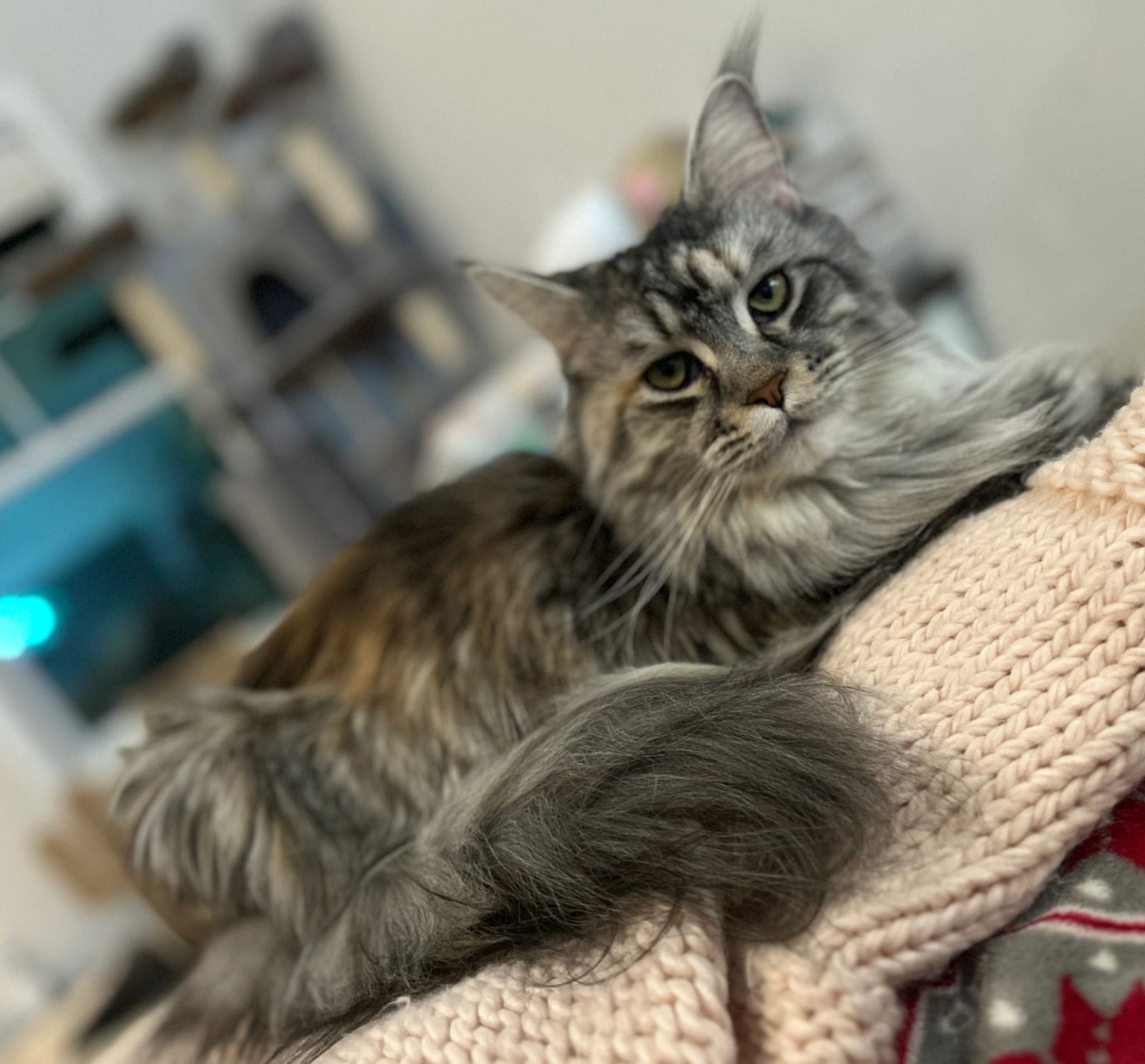
Maine Coons, often described as “gentle giants,” are cherished for their beautiful coats and affectionate personalities. However, this beloved breed also bears an unfortunate genetic predisposition to hypertrophic cardiomyopathy (HCM), a life-threatening heart condition.
Fortunately, there’s exciting news in veterinary medicine—a promising new treatment for HCM in cats that could be a game changer for Maine Coon owners and their veterinary care teams.
What is HCM and How Does It Affect Maine Coons?
HCM, or hypertrophic cardiomyopathy, is the most common heart disease in cats. It causes the walls of the heart muscle to thicken, making it harder for the heart to pump blood effectively. Over time, this can lead to complications like congestive heart failure, fluid accumulation in the lungs, and even sudden death.
Maine Coons are particularly at risk for HCM, with the condition believed to have a genetic basis in this breed. Studies estimate that 15-30% of Maine Coons worldwide are affected by HCM, although occurrences can vary by lineage.
For Maine Coon lovers, this means that careful consideration and proactive measures are critical when choosing breeders and monitoring their pets’ health.
Understanding Why DNA Testing Alone Isn’t Enough
Many breeders take steps to reduce HCM risks through DNA testing for the known mutation associated with the disease in Maine Coons. While this is an important step, DNA testing alone isn’t a foolproof preventative measure.
Here’s why:
- Incomplete Genetic Coverage: Genetic testing for HCM currently screens for a specific mutation (the MYBPC3 mutation), but not all cats with HCM have this mutation. This means that cats can still develop the disease even if they test negative.
- Environmental and Secondary Factors: Non-genetic factors can also contribute to HCM, such as environmental or secondary conditions that influence heart health.
- Echocardiograms Provide Added Assurance: Routine echocardiograms (ultrasound scans of the heart) remain essential because they can identify early structural changes in the heart that DNA testing may miss.
Responsible breeders will combine DNA testing with annual echocardiogram screenings to give kittens the best start in life. These measures help ensure that cats with HCM aren’t part of breeding programs, improving health outcomes for future generations of Maine Coons.
A Groundbreaking Treatment Option Is on the Horizon
While prevention is crucial, no strategy is foolproof. For years, HCM has been treated symptomatically—mainly focusing on managing complications like fluid buildup and blood clots. This left a significant gap in addressing the root cause of the disease.
But now, a new treatment is offering hope for Maine Coons diagnosed with HCM. Research led by Dr. Joshua Stern at NC State College of Veterinary Medicine has uncovered the potential of a feline-specific formulation of rapamycin (sirolimus) to treat and even reverse HCM.
How Rapamycin for Feline HCM Works
Rapamycin works by targeting the mTOR (mammalian target of rapamycin) pathway, which regulates metabolism and cell growth. By inhibiting this pathway, the drug has been shown to slow or reverse the thickening of the heart muscle in cats with HCM—even before symptoms develop.
Clinical trials have produced promising results, and the treatment is currently in the final stages of FDA conditional approval. If successful, rapamycin will become the first-ever therapeutic option to treat the underlying causes of HCM, not just the symptoms.
Veterinarians believe that rapamycin could transform HCM from a fatal diagnosis into a manageable condition for many Maine Coons.
What This Means for Maine Coon Owners
For Maine Coon owners, the advent of rapamycin marks a significant milestone. If your cat has been diagnosed with HCM or is at high risk, rapamycin offers a potential lifeline—a treatment that could improve their quality of life and prognosis.
Practical Steps You Can Take
To ensure the best care for your Maine Coon, consider adopting these measures:
- Choose Your Breeder Wisely: Talk to breeders about how they test for HCM. Responsible breeders should perform BOTH DNA testing and routine echocardiograms on their breeding cats.
- Maintain Pet Insurance: Maine Coons are generally healthy cats, but HCM treatment can be expensive. Pet insurance can help offset the cost of any necessary diagnostic testing, treatment or medication.
- Screen Your Cat Regularly: If your Maine Coon has a family history of HCM, consult your vet for echocardiogram screenings and genetic tests.
- Stay Updated on New Treatments: Speak to your veterinarian about rapamycin and ask if your cat may be a candidate once the drug receives full approval.
- Be Vigilant for Symptoms: Keep an eye out for potential symptoms of HCM, such as lethargy, difficulty breathing, and fainting. If you notice any changes in your cat’s behavior or health, don’t hesitate to contact your veterinarian.
- Stay Informed: Keep up-to-date on developments in HCM research and treatment options for Maine Coons. This will help you make informed decisions about your cat’s care.
Conclusion—A Better Future for Maine Coons
While no treatment can erase the heartbreak of living with an HCM diagnosis, the progress we’re witnessing offers hope where there was once resignation. By combining prevention with groundbreaking therapies like rapamycin, it’s possible to safeguard the health of Maine Coons for years to come.
If prevention truly is worth more than a cure, ensuring that breeders prioritize both genetic and echocardiogram testing is an ideal first step. For cases where prevention isn’t enough, advances in veterinary medicine are on the cusp of delivering real solutions to help these majestic cats live longer, healthier lives.
Disclaimer:
The information provided by Maine Street Coons and its owner, Kyra Hagan, is for general educational purposes only and reflects the breeder’s personal experience. It is not professional veterinary advice, diagnosis, or treatment. Maine Street Coons is a private cattery, and Kyra Hagan is not a licensed veterinarian.
All health decisions should be made with a licensed veterinarian who has examined your cat. Every Maine Coon is unique, and health outcomes can vary due to genetics, environment, and other factors.
Maine Street Coons makes no guarantees about the accuracy or applicability of the information provided. Always consult your veterinarian for personalized guidance. In case of a medical emergency, contact your vet or an emergency animal hospital immediately.