
When to Spay or Neuter Your Maine Coon Cat
June 11, 2024
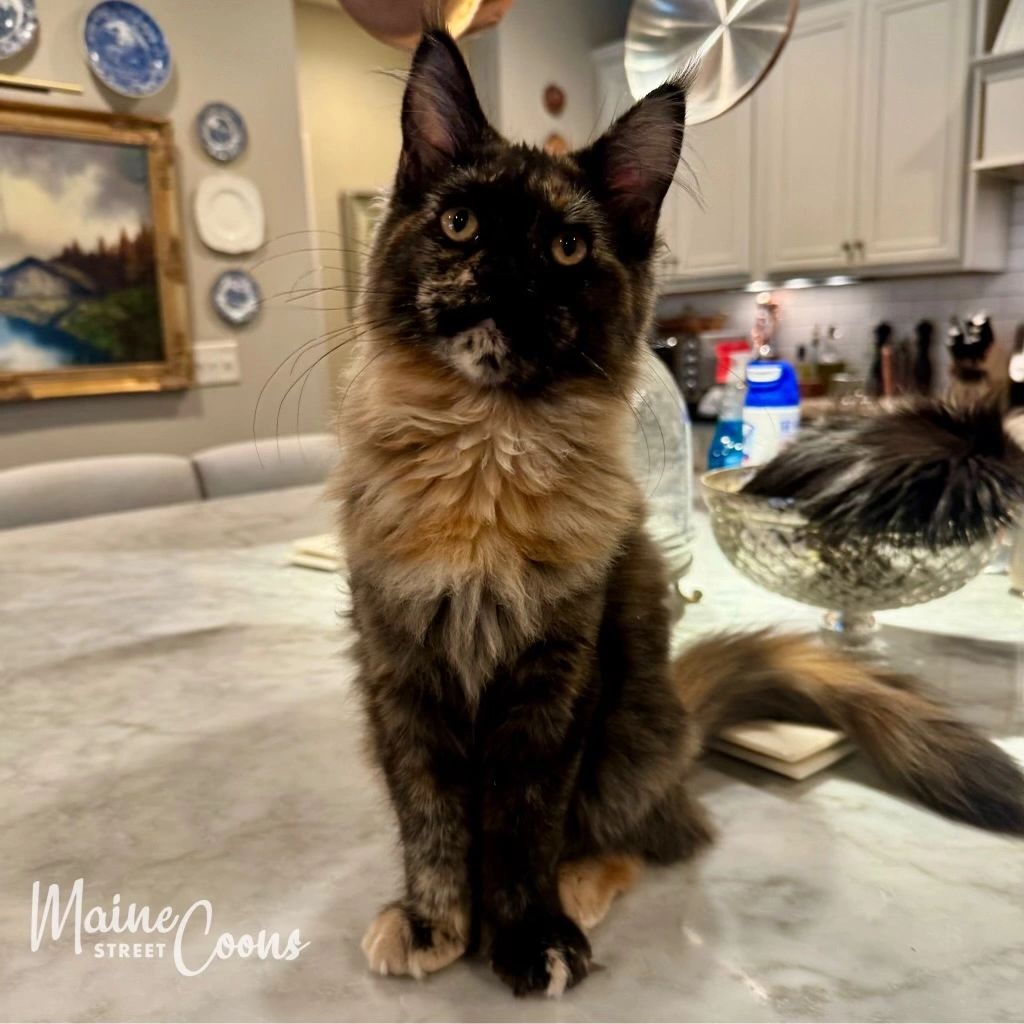
Deciding when to spay or neuter your Maine Coon cat is a critical decision that can impact their health and behavior. As responsible pet owners, it’s crucial to understand the appropriate timing for this procedure to minimize the risk of adverse events while avoiding hormonally-driven behaviors like calling or spraying.
Understanding Maine Coon Cats
Maine Coons are a distinctive breed known for their large size, tufted ears, and friendly personalities. They mature slower than other breeds, which can influence the timing of spaying or neutering. Typically, Maine Coons reach full physical maturity around 3 to 4 years of age, but hormonally-driven behaviors will start much earlier.
Why Spay or Neuter?
Spaying (for females) and neutering (for males) are surgical procedures that prevent reproduction. These procedures offer several benefits:
- Reduced Risk of Health Problems: Spaying reduces the risk of ovarian and uterine cancers, while neutering eliminates the risk of testicular cancer and reduces prostate issues.
- Behavioral Benefits: Reducing hormonally-driven behaviors such as marking territory (spraying in males) and loud calling (in females) can make life more pleasant for you and your pet.
- Population Control: Preventing unwanted litters reduces the number of homeless cats and lessens the burden on animal shelters.
Ideal Timing for Spaying and Neutering
General Guidelines
- Female Maine Coons: It is typically recommended to spay female Maine Coons around the same time you expect their first heat cycle, which usually occurs between 6 to 9 months of age. Early spaying can prevent heat cycles and associated behaviors, such as calling.
- Male Maine Coons: Neutering male Maine Coons after they begin producing testosterone is key. This generally means scheduling the procedure around 11-12 months of age when their urine has changed odors.
Considering Individual Factors
While general guidelines are helpful, it’s essential to consider individual factors:
- Breeder’s Requirement: Many breeders have early spay and neuter procedures performed on kittens before leaving the cattery. This may not be ideal for their health, but it is a risk some breeders are willing to take to ensure the procedure is completed. Those who don’t perform early spay or neuter will usually require spay or neuter by a certain age within their purchase agreements or contracts. Be sure to ask what is expected of you and to comply with the contract to avoid potential litigation.
- Veterinarian’s Advice: Consult your vet to determine the best timing based on your cat’s development and health status.
- Health Conditions: If your Maine Coon has any health issues, your vet might suggest delaying the procedure until they are resolved.
- Behavioral Signs: Pay attention to any early signs of hormonally-driven behaviors and discuss them with your veterinarian.
Risks and Benefits of Early vs. Delayed Spaying/Neutering
Early Spaying/Neutering
Pros:
- Prevents hormonally-driven behaviors.
- Reduces the risk of reproductive cancers.
- Simplifies the procedure due to the cat’s smaller size.
Cons:
- Potential for adverse events due to an increased risk of anesthesia sensitivity.
- Potential for a slight increase in the risk of certain orthopedic diseases.
- Possible effects on growth plates in bones, leading to taller growth, which is less of a concern in Maine Coons due to their naturally large size.
Delayed Spaying/Neutering
Pros:
- May benefit bone growth and development.
- Allows for monitoring of the cat’s health and development.
Cons:
- Risk of developing hormonally-driven behaviors like spraying and calling.
- Increased risk of accidental pregnancies in females.
- Possible increased health risks related to reproductive organs.
Conclusion
Spaying or neutering your Maine Coon cat is an important decision that requires careful consideration of timing to ensure the best outcome for your pet’s health and behavior. While the general recommendation is to spay or neuter around 5 to 7 months of age, individual factors should be considered. Consult with your breeder and your veterinarian to determine the most appropriate timing for your Maine Coon.
By making an informed decision, you can help your Maine Coon live a healthier, happier life free from the complications of hormonally-driven behaviors and reproductive health issues.
Disclaimer:
The information provided by Maine Street Coons and its owner, Kyra Hagan, is for general educational purposes only and reflects the breeder’s personal experience. It is not professional veterinary advice, diagnosis, or treatment. Maine Street Coons is a private cattery, and Kyra Hagan is not a licensed veterinarian.
All health decisions should be made with a licensed veterinarian who has examined your cat. Every Maine Coon is unique, and health outcomes can vary due to genetics, environment, and other factors.
Maine Street Coons makes no guarantees about the accuracy or applicability of the information provided. Always consult your veterinarian for personalized guidance. In case of a medical emergency, contact your vet or an emergency animal hospital immediately.